
How to Take Care of a TB Patient at Home
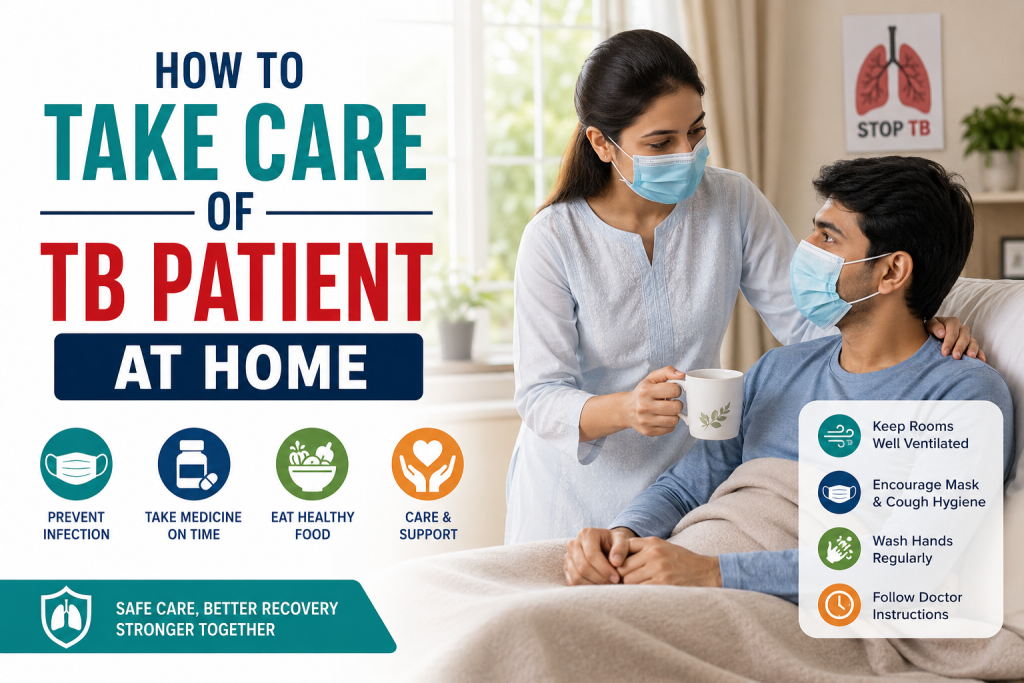
Tuberculosis (TB) can be stressful for both patients and families. Many caregivers feel worried after hearing the diagnosis. Questions like “How do we keep everyone safe?” or “What should the patient eat?” are very common. The good news is that many TB patients recover successfully at home with proper treatment, healthy routines, and family support. Small daily steps can help the patient feel more comfortable while also reducing the risk of infection inside the home. In this guide, we’ll explain how to take care of a TB patient at home in a simple and practical way. You’ll learn about medicines, hygiene, food, caregiver safety, emotional support, and when professional home nursing services in Lahore may help families manage recovery more safely. Quick TB Home Care Tips Make sure medicines are taken daily Keep windows open for fresh air Encourage proper cough hygiene Give healthy meals and enough fluids Help the patient rest properly Wash hands regularly Watch for warning signs Follow doctor instructions carefully Understanding Tuberculosis (TB) Tuberculosis is an infection that usually affects the lungs. It spreads through tiny droplets released into the air when an infected person coughs, sneezes, laughs, or talks. TB is treatable, but recovery takes time. Most patients need several months of regular medicine to fully recover. Common symptoms may include: A cough lasting more than 2–3 weeks Fever Night sweats Weight loss Weakness Chest pain Tiredness Loss of appetite Doctors may perform tests and scans to confirm the condition and decide the treatment plan. Why Proper Home Care Is Important for TB Patients Medicines are only one part of recovery. TB patients also need: Nutritious food Proper rest Emotional support Good hygiene A clean environment Regular follow-up care Families who stay consistent with daily care routines often help patients recover more comfortably and safely. How to Prevent TB From Spreading at Home One of the biggest concerns for families is protecting others in the household. Here are some simple but important safety steps. Keep the Room Well Ventilated Fresh air helps reduce the spread of germs indoors. Try to: Open windows daily Let sunlight enter the room Keep airflow moving whenever possible A bright and airy room is usually healthier for both the patient and caregivers. Encourage Proper Mask Use Doctors may recommend that the patient wear a mask during the early stage of treatment, especially when around others. Caregivers may also use masks during close contact if advised by the doctor. Teach Proper Cough Hygiene The patient should: Cover their mouth while coughing or sneezing Use tissues when possible Throw used tissues away safely Wash hands regularly These habits help reduce the spread of infection. Avoid Sharing Personal Items Avoid sharing: Towels Cups Plates Spoons Toothbrushes Bedding items Wash commonly used items properly with soap and warm water. When Does a TB Patient Stop Being Contagious? This is one of the most common questions families ask. Many TB patients become less contagious after taking proper medicines for a few weeks. However, this can vary depending on: The severity of infection Medicine response Overall health condition Whether treatment is taken correctly Only a doctor can confirm when the patient is no longer likely to spread TB. Even if symptoms improve, medicines must continue for the full prescribed duration. Cleaning Tips for Homes With a TB Patient Keeping the home clean can help families feel safer and more comfortable. Helpful Cleaning Habits Wash bedsheets and pillow covers regularly Clean frequently touched surfaces Dispose of tissues properly Keep the patient’s room dust-free Allow sunlight into the room Wash hands after caregiving tasks There is usually no need for extreme cleaning methods. Simple hygiene and regular cleaning are often enough when combined with proper treatment. Medicine Management for TB Patients TB medicines must be taken exactly as prescribed. Skipping doses or stopping treatment early can make the infection harder to treat. Tips for Safe Medicine Management Give medicines at the same time every day Use alarms or medicine charts Never stop medicines without doctor approval Watch for side effects Attend all follow-up appointments For example, some families place medicine reminders on the refrigerator or kitchen wall so elderly patients do not miss their doses. Families caring for weak or elderly patients may sometimes need additional help through patient care services in Lahore or medication management support. Best Foods for TB Patients Healthy meals help the body recover and regain strength. Many TB patients lose appetite or weight during illness, so nutrition becomes very important. Protein-Rich Foods Protein helps repair body tissues and maintain strength. Good options include: Eggs Chicken Fish Lentils Beans Yogurt Milk Fresh Fruits and Vegetables Fruits and vegetables provide vitamins and minerals that support recovery. Helpful choices may include: Bananas Apples Oranges Spinach Carrots Tomatoes Plenty of Fluids Encourage the patient to drink enough fluids such as: Water Fresh juice Soup Milk Proper hydration may help reduce weakness and tiredness. Foods and Habits to Avoid Doctors may advise avoiding: Smoking Alcohol Excessively oily foods Too much junk food Always follow the patient’s medical advice and dietary recommendations. Helping a TB Patient Stay Comfortable TB recovery can feel physically and emotionally exhausting. Patients sometimes feel isolated or discouraged during long treatment periods. Help the Patient Get Enough Rest The body needs time and energy to heal. Make sure the patient has: Comfortable bedding A calm sleeping area Enough sleep Reduced physical stress Encourage Gentle Movement After doctor approval, light movement may help maintain strength. Simple activities may include: Short indoor walks Gentle stretching Sitting in sunlight briefly Avoid heavy physical activity unless approved by a doctor. Provide Emotional Support Kindness and patience matter a lot during recovery. Families can help by: Speaking calmly Encouraging treatment completion Avoiding blame or fear Spending supportive time with the patient A caring home environment often helps patients stay motivated during treatment. Caregiver Protection Tips Caregivers should also take care of their own health. Helpful safety habits include: Washing hands frequently Wearing masks if recommended Avoiding crowded sleeping