
Обзор онлайн-казино 1вин: учебные семинары и мастер-классы
Обзор онлайн-казино 1вин: учебные семинары и мастер-классы Здравствуйте, меня зовут Алексей Смирнов, и в этом обзоре я расскажу о 1вин – онлайн-казино, которое предлагает не только увлекательные игры, но и возможность участия в семинарах и мастер-классах. Это казино идеально подходит как для новичков, так и для опытных игроков, которые ищут образовательные возможности и интересные бонусы. Давайте подробнее рассмотрим, что делает 1вин уникальным на рынке азартных игр. Интерфейс сайта и регистрация Сайт 1вин предлагает современный и интуитивно понятный интерфейс. При первом посещении я был приятно удивлён, насколько удобно организовано навигационное меню. Регистрация занимает всего несколько минут: Перейдите на официальный сайт 1вин. Нажмите кнопку «Регистрация», расположенную в правом верхнем углу. Заполните необходимые поля: email, пароль, и выберите валюту. Подтвердите свою регистрацию через электронную почту. После завершения процедуры регистрации вы сможете войти в свою учетную запись и начать играть. 1вин предлагает множество способов регистрации, включая мгновенную регистрацию через социальные сети, что делает этот процесс ещё более удобным. Бонусы и промокоды Каждый новый игрок в 1вин может воспользоваться щедрыми бонусами на первый депозит, что является отличной возможностью для увеличения начального банка. К тому же, регулярно проводятся акции, в которых можно получить дополнительные призы и кэшбэк. Вот основные виды бонусов: 100% бонус на первый депозит до 50000 руб. Фриспины на популярных слотов. Кэшбэк до 15% на проигрыши в течение недели. Промокоды также играют важную роль в увеличении ваших шансов на выигрыш. Важно следить за актуальными предложениями на сайте и использовать промокоды, которые могут значительно повысить вашу выгоду при игре в 1вин. Выбор игр и мобильная версия В 1вин представлен широкий ассортимент игр от ведущих провайдеров, таких как Microgaming и NetEnt. Игроки могут наслаждаться: Слоты – множество тематик и жанров. Настольные игры, включая покер, рулетку и блэкджек. Раздел с живым казино для настоящей атмосферы азартных игр. Кроме того, 1вин предлагает удобную мобильную версию сайта и приложение для iOS и Android, что позволяет наслаждаться играми в любое время и в любом месте. Интерфейс мобильной версии полностью адаптирован под разные экраны, что делает игровой процесс ещё более комфортным ван вин официальный сайт. Вывод о безопасности и лицензии Безопасность игроков – один из важнейших приоритетов 1вин. Казино лицензировано и регулируется авторитетной организацией, что гарантирует защиту личных данных и честность игр. Лицензия обеспечивает следующие аспекты: Шифрование данных с использованием современных технологий. Регулярные аудиты игр для проверки их честности. Поддержка ответственной игры для предотвращения игрового расстройства. Играя в 1вин, вы можете быть уверены в своей безопасности и защищённости от мошенничества. Заключение 1вин – это не просто онлайн-казино, но и отличный источник обучения через разнообразные семинары и мастер-классы. Если вы хотите получить знания о стратегии игры или просто насладиться азартными развлечениями, 1вин – это подходящий выбор для вас. Широкий выбор игр, щедрые бонусы и надежная безопасность позволяют игрокам сосредоточиться на своем игровом процессе, не задумываясь о лишних заботах. Часто задаваемые вопросы (FAQ) 1. Как зарегистрироваться в 1вин? Для регистрации перейдите на сайт 1вин, нажмите кнопку «Регистрация» и заполните необходимые поля. 2. Какие бонусы предлагает 1вин? Казино предлагает 100% бонус на первый депозит, фриспины и кэшбэк на проигрыши. 3. Есть ли мобильное приложение для 1вин? Да, 1вин имеет мобильное приложение для iOS и Android, а также адаптированную мобильную версию сайта. 4. Как идентифицировать себя в 1вин? Вам нужно будет предоставить документы, подтверждающие личность и возраст, что является необходимым шагом для соблюдения правил безопасности. 5. Каковы условия безопасности в 1вин? 1вин лицензировано и использует современные технологии шифрования для защиты ваших данных и обеспечения честности игр.
Понимание требований к ставкам на бонусы Pinco Casino Зеркало
Понимание требований к ставкам на бонусы Pinco Casino Зеркало В современном мире онлайн-гейминга, бонусы играют ключевую роль в привлечении игроков. Одним из важных аспектов, который нужно понимать, является наличие требований к ставкам на бонусы, предлагаемые такими платформами, как Pinco Casino Зеркало. Эти требования определяют, сколько раз игроку нужно проставить свои бонусные средства, прежде чем они станут доступными для вывода. Чтобы избежать недопонимания и получить максимальную выгоду от акций, необходимо уделить внимание деталям, описанным в условиях бонусов. Что такое требования к ставкам? Требования к ставкам, или вейджер, представляют собой множители, которые показывают, сколько раз нужно сделать ставки на сумму бонуса перед тем, как вывести средства. Например, если бонус составляет 100 рублей и вейджер равен 5, игроку нужно проставить 500 рублей (100 * 5), чтобы получить доступ к средствам. Главная цель таких требований — предотвращение мошенничества и обеспечение честной игры. Как работают требования к ставкам на Pinco Casino Зеркало? На платформе Pinco Casino Зеркало требования к ставкам могут варьироваться в зависимости от конкретного бонуса. Игроки, прежде чем активировать бонусы, должны ознакомиться с условиями, которые могут включать следующие моменты: Размер вейджера (например, 20x, 30x и т.д.) Срок действия бонуса (обычно от 7 до 30 дней) Игра, на которую распространяется бонус (некоторые игры могут быть исключены) Максимальные ставки в процессе выполнения условий Понимание этих аспектов поможет игрокам более эффективно управлять своими ставками и выбирать наилучшие предложения от казино. Типичные ошибки игроков при использовании бонусов Многие игроки часто допускают ошибки, которые могут привести к потере бонусов или их части. Вот наиболее распространенные: Неправильное понимание требований к ставкам. Запуск игр, которые не участвуют в выполнении условий. Игнорирование сроков действия бонусов. Превышение максимальных ставок, установленных казино. Нехватка информации о различных бонусах и их условиях. Избегая этих распространенных ошибок, игроки могут увеличить свои шансы на успех при игре в онлайн-казино, такие как Pinco Casino Зеркало играть бесплатно казино. Источники и исследования по ставкам Важным аспектом успешной игры является следить за актуальной информацией о требованиях и бонусах. Одним из авторитетных экспертов в области игровых исследований является исследователь азартных игр Дэвид Г. Шварц, который делится ценной информацией и анализами в своей области. Следя за работой таких специалистов, игроки могут лучше понять нюансы азартных игр и оптимизировать свои стратегии. Дополнительно, полезной статьей на эту тематику будет материал на сайте BBC о правилах казино, включая особенности ставок и бонусов, который даст более глубокое понимание того, как работают азартные игры в различных странах. Заключение Требования к ставкам на бонусы в Pinco Casino Зеркало — это важный аспект онлайн-гейминга, который нужно учитывать для успешной игры. Зная правила и избегая распространенных ошибок, игроки могут существенно повысить свои шансы на успешный вывод средств. Всегда важно читать условия и следить за новыми акциями, чтобы максимально использовать предлагаемые возможности. Часто задаваемые вопросы Что такое вейджер? Вейджер — это множитель, который показывает, сколько раз необходимо проставить бонусные средства перед их выводом. Сколько времени требуется для выполнения требований к ставкам? Сроки часто варьируются от 7 до 30 дней в зависимости от конкретного бонуса. Все игры участвуют в выполнении условий? Нет, некоторые игры могут быть исключены из условий бонуса, поэтому важно заранее ознакомиться с правилами. Что будет, если я не выполню требования к ставкам? Если условия не выполнены, игрок потеряет доступ к бонусным средствам. Где я могу найти информацию о последних акциях? Обычно информация о новых акциях публикуется на официальном сайте казино или в их новостных рассылках.
Пинко казино: Легендарные моменты из истории азартных игр
Пинко казино: Легендарные моменты из истории азартных игр История азартных игр полна захватывающих моментов, и Пинко казино не является исключением. В этом статье мы погрузимся в выдающиеся события, которые навсегда изменили облик азартных игр и продолжать привлекать внимание игроков по всему миру. Вы узнаете о ключевых моментах, которые сформировали не только Пинко казино, но и всю индустрию азартных игр в целом. Начало эры азартных игр Азартные игры имеют долгую и богатую историю, многие ее аспекты уходят корнями в древние времена. Пинко казино, как и другие казино, было основано на традициях азартных игр, которые существовали задолго до его создания. Именно там игроки начали собираться, чтобы испытать удачу и насладиться атмосферой соревнования. Основные моменты этого периода включает в себя: Зарождение первых игорных заведений в Венеции в 1638 году. Появление азартных игр в Великобритании и их распространение по мере колонизации. Крёпкое становление Лас-Вегаса как центра азартных игр в середине 20 века. Золотой век Пинко казино Пинко казино начало набирать популярность в 70-е и 80-е годы, когда различные реформы в законодательстве позволили игорному бизнесу активно развиваться. Благодаря этому заведение смогло предложить уникальные условия для игроков, привлекая их своим ассортиментом игр и развлекательными программами. В этот период произошло множество знаковых событий, включая: Строительство знаменитых отелей и казино вблизи Пинко, что способствовало притоку туристов. Расширение игровых площадок и внедрение новых видов азартных игр. Организация крупных турниров, которые привлекали внимание международной аудитории. Технологические инновации С начала 21 века Пинко казино стало активно внедрять новые технологии, что кардинально изменило подход к азартным играм. Введение онлайн платформ, использование виртуальной реальности и даже блокчейн-технологий дало возможность игрокам наслаждаться любимыми играми в любое время и в любом месте. Улучшение графики, а также внедрение инновационных решений привели к следующим значимым изменениям: Появление онлайн-казино, которые предоставляют игрокам возможность играть из дома. Разработка мобильных приложений для азартных игр. Внедрение системы лояльности и бонусов, что позволяет игрокам получать дополнительные преимущества. Как отмечает [гемблинг-историк Ларри Гамильтон](https://twitter.com/LarryGambling), такие изменения имеют огромное значение для привлечения новой аудитории и формирования позитивного имиджа азартных игр в обществе Пинко казино. Культурное влияние Пинко казино Пинко казино также оказало значительное влияние на популярную культуру, включая кино, музыку и искусство. Постоянное внимание средств массовой информации к азартным играм делает их частью массовой культуры. Множество фильмов и телешоу исследуют мир азартных игр, включают в себя Пинко как атрибут. Некоторые из самых известных явлений: Фильмы о казино, такие как “Казино Рояль” и “Закрутка удачи”. Книги и статьи, описывающие стратегии и психологию азартных игр. Популярные песни, внедряющие темы азартных игр в тексты. Для более глубокого понимания влияния азартных игр на общество можно ознакомиться с [формированием общественного мнения о азартных играх в Джордане](https://www.theguardian.com/society/2023/mar/10/gambling-in-jordan). Эта статья подробно раскрывает реальные примеры культурного взаимодействия с азартными играми. Заключение История Пинко казино и азартных игр в целом пронизана значительными моментами, которые формируют облик не только заведения, но и всей индустрии азартных игр. Переход от традиционных методов игры к технологичным решениям открывает новые горизонты для игроков и бизнеса. Пинко продолжает развиваться, сохраняя свое место в сердце любителей азартных игр. Часто задаваемые вопросы Что такое Пинко казино? Пинко казино – это заведение, предлагающее разнообразные азартные игры и услуги. Когда было основано Пинко казино? История Пинко казино начинается с 70-х годов 20 века, когда оно стало популярным местом для азартных игр. Каковы основные игры, предлагаемые в Пинко казино? На сегодняшний день Пинко казино предлагает широкий спектр игр, включая покер, блэкджек и слоты. Как азартные игры влияют на общество? Азартные игры могут как положительно, так и отрицательно влиять на общество, создавая возможности для развлечения, а также вызывая проблемы с зависимостями. Где можно узнать больше о деятельности Пинко казино? Для подробной информации о Пинко казино можно ознакомиться с различными заметками и статьями в крупных новостных изданиях, таких как [та, которая рассказывает о современном состоянии азартных игр](https://apnews.com/article/modern-gambling-industry-analysis).
Как правильно настроить личный кабинет 1xBet для максимального удобства?
Как правильно настроить личный кабинет 1xBet для максимального удобства? Настройка личного кабинета на платформе 1xBet является важным шагом для каждого пользователя, стремящегося к максимальному удобству при использовании сервиса. Корректная конфигурация кабинета помогает не только быстро находить нужную информацию, но и обеспечивать безопасность аккаунта. В данной статье мы рассмотрим основные шаги по настройке личного кабинета, которые помогут вам оптимизировать использование услуг платформы 1xBet. Шаг 1: Регистрация и вход в личный кабинет Первый шаг на пути к удобному использованию платформы 1xBet – это регистрация. Процесс регистрации прост и включает несколько этапов: Перейдите на сайт 1xBet. Нажмите на кнопку “Регистрация”. Выберите способ регистрации (по номеру телефона, по электронной почте или через социальные сети). Заполните необходимые данные. Подтвердите регистрацию с помощью кода, отправленного на ваш телефон или email. После успешной регистрации вы можете войти в свой личный кабинет, введя свои учетные данные. Шаг 2: Настройка личных данных После входа в кабинет необходимо настроить личные данные. Это важный шаг для повышения безопасности вашего аккаунта и улучшения пользовательского опыта. Вот что вам нужно сделать: Перейдите в раздел “Личный профиль”. Проверьте и при необходимости обновите личную информацию (ФИО, адрес, дату рождения). Настройте способы получения уведомлений (SMS, email). Установите предпочтительный язык интерфейса. Сохраните изменения. Важно следить за актуальностью ваших данных, так как это может быть критически важно в случае необходимости восстановления доступа к аккаунту. Шаг 3: Настройка безопасности Безопасность ваших данных является приоритетом, поэтому настройка безопасности личного кабинета – это следующий шаг. Рекомендуется выполнить следующие действия: Установите надежный пароль, состоящий из минимум 8 символов с использованием букв, цифр и специальных символов. Включите двухфакторную аутентификацию для повышения уровня защиты. Проверьте настройки безопасности, выбрав варианты, которые подходят вам. Эти дополнительные меры безопасности помогут предотвратить несанкционированный доступ к вашему аккаунту и защитят ваши личные данные. Шаг 4: Настройка платежных методов Настройка платежных методов – это еще один важный аспект. Чтобы быстро пополнять счет и выводить winnings, выполните следующие шаги: Перейдите в раздел “Касса”. Выберите вариант пополнения счета и следуйте инструкциям на экране. Добавьте предпочтительные способы вывода средств (карты, электронные кошельки и т. д.). Подтвердите добавленные методы. Убедитесь, что все платежные данные актуальны и корректны, чтобы избежать задержек с транзакциями https://конек-горбунок.рф/. Шаг 5: Персонализация интерфейса Персонализация интерфейса кабинета поможет вам лучше ориентироваться в платформе. Вот несколько способов сделать это: Измените темы оформления и шрифты в настройках профиля. Настройте отображение спортивных событий, которые вам интересны. Добавьте избранные события в раздел “Избранное” для быстрого доступа. Эти действия значительно улучшат ваше взаимодействие с платформой и сделают ее более удобной для вас. Заключение Настройка личного кабинета 1xBet не только упрощает использование платформы, но и повышает безопасность вашего аккаунта. Следуя представленным шагам, вы сможете создать индивидуальный и безопасный опыт. Не забывайте периодически проверять и обновлять настройки, чтобы поддерживать их актуальность и безопасность. Часто задаваемые вопросы (FAQ) 1. Как восстановить доступ к своему аккаунту 1xBet? Для восстановления доступа воспользуйтесь функцией “Забыли пароль?” на странице входа, следуя инструкциям, которые будут отправлены на ваш email или телефон. 2. Как изменить пароль в личном кабинете? В разделе “Личный профиль” выберите “Изменение пароля” и следуйте инструкциям на экране. 3. Могу ли я удалить свой аккаунт на 1xBet? Да, для этого обратитесь в службу поддержки, чтобы они помогли вам удалить аккаунт. 4. Как пополнить счет в личном кабинете 1xBet? Перейдите в раздел “Касса”, выберите способ пополнения, укажите сумму и следуйте инструкциям на сайте. 5. Как узнать о новых акциях и предложениях 1xBet? Подпишитесь на рассылку новостей на сайте или проверяйте раздел “Акции” в своем личном кабинете для актуальной информации.
Fall Prevention Strategies for Home Nursing: How to Keep Elderly Patients Safe at Home
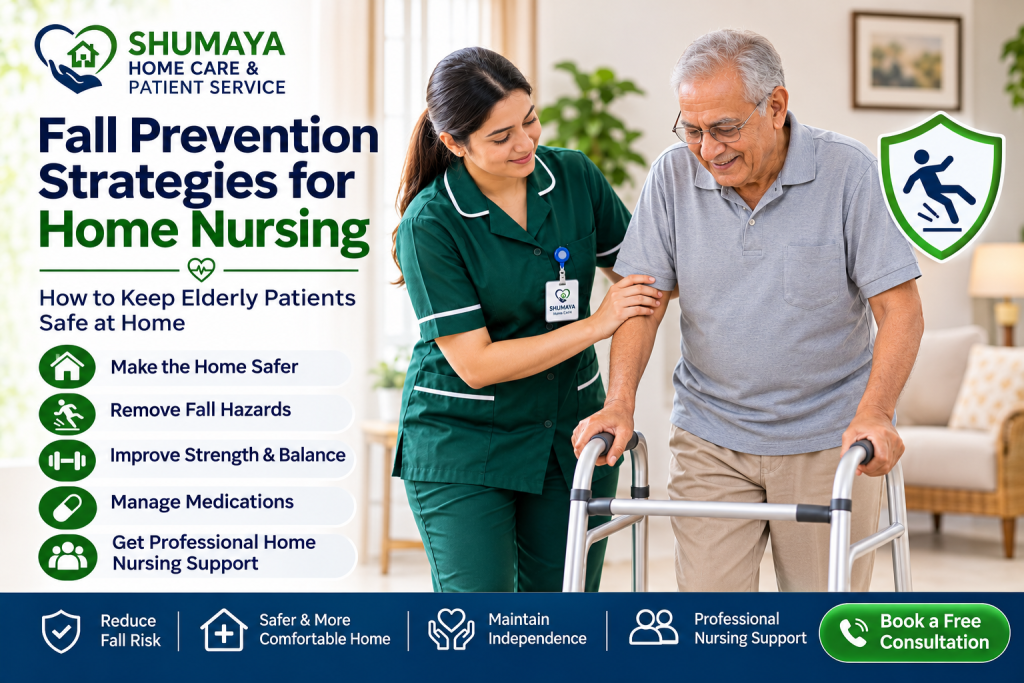
Falls are a common safety concern for older adults and patients with limited mobility. A simple fall can cause bruises, fractures, head injuries, or a loss of confidence that makes everyday activities more difficult. For elderly people, bedridden patients, and those recovering from surgery or illness, even a minor accident can affect their independence and recovery. Preventing falls at home requires more than keeping floors clean. Families need to understand the patient’s fall risks, improve the home environment, support safe movement, and follow appropriate care routines. With proper planning and professional assistance, families can make the home safer and reduce the risk of preventable accidents. This guide explains practical fall prevention strategies for home nursing and elderly patient care. Why Is Fall Prevention Important for Patients at Home? Older adults and patients with health conditions may have difficulty maintaining balance, walking, standing, or changing positions. Poor eyesight, muscle weakness, dizziness, and certain medications can further increase the risk of falling. A fall may lead to: Fractures, including hip and wrist fractures. Head injuries and other serious injuries. Pain and difficulty moving. Fear of walking or performing daily activities. Reduced independence. Longer recovery and increased care needs. Fall prevention is especially important for elderly patients, stroke survivors, people with dementia, bedridden patients, and individuals recovering after surgery. Common Causes of Falls in Elderly and Weak Patients Understanding the causes of falls helps families and caregivers take appropriate preventive steps. Common risk factors include: Muscle weakness: Reduced strength can make standing and walking difficult. Balance problems: Some neurological and age-related conditions affect coordination. Poor eyesight: Difficulty seeing obstacles, steps, or changes in floor level increases risk. Dizziness: Sudden dizziness or a drop in blood pressure may cause a patient to lose balance. Medication side effects: Some medicines can cause drowsiness, dizziness, or changes in blood pressure. Unsafe footwear: Loose slippers and slippery shoes can contribute to falls. Home hazards: Wet floors, loose rugs, poor lighting, and clutter create avoidable risks. Memory problems: Patients with dementia may forget to use walking aids or ask for assistance. A patient’s risk may involve several factors at the same time. Therefore, fall prevention should be based on their health, mobility, and home environment. Identify Patients Who May Be at High Risk of Falling Some patients need closer supervision and a more structured fall-prevention plan. Pay particular attention if a patient: Has fallen recently or experienced repeated near-falls. Feels unsteady while standing or walking. Needs support when getting out of bed or sitting on a chair. Experiences dizziness or weakness. Has poor eyesight or difficulty recognizing obstacles. Has memory problems or confusion. Takes several medicines that may affect balance or alertness. Has recently undergone surgery or suffered a stroke. A healthcare professional can assess the patient’s walking ability, balance, strength, medical conditions, and medication-related risks. Families should share any recent falls or changes in mobility with the patient’s doctor. 1. Keep Floors Clear and Remove Tripping Hazards A clean and organized home can reduce many common fall risks. Families and caregivers should: Remove loose rugs or secure them with suitable non-slip backing. Keep electrical wires away from walking areas. Move furniture that blocks common walking routes. Keep floors dry and clean. Remove unnecessary objects from hallways and bedrooms. Keep frequently used items within easy reach. Make sure floor surfaces are even and free from damage. Avoid placing household items where patients need to walk, especially between the bedroom, bathroom, and living area. 2. Improve Lighting Throughout the Home Poor lighting makes it difficult for patients to identify obstacles and changes in floor levels. To improve visibility: Use bright, suitable lighting in bedrooms and hallways. Install night lights along the route to the bathroom. Keep switches easy to reach from the bed and room entrance. Ensure stairways and entrance areas are properly illuminated. Avoid dark corners and sudden changes in lighting. Patients who wake up during the night should have a safe, well-lit route to the bathroom. 3. Make Bathrooms Safer Bathrooms are common places for falls because water can make floors slippery. Patients with weakness or limited mobility may also struggle when getting into or out of the shower or using the toilet. Useful safety measures include: Install securely fixed grab bars near the toilet and shower. Use suitable non-slip flooring or securely placed non-slip mats. Clean water spills immediately. Provide a stable shower chair when appropriate. Consider a raised toilet seat if recommended for the patient’s needs. Keep towels, toiletries, and clothing within easy reach. Provide assistance with bathing and toileting when necessary. Loose mats can create additional tripping hazards, so make sure any mat is designed to stay securely in place. If a patient cannot safely walk to the bathroom, a bedside commode may be a suitable option after discussing the arrangement with a healthcare professional. 4. Encourage Safe Footwear The right footwear can help patients maintain stability while walking. Choose footwear that: Fits properly. Has a non-slip sole. Provides support around the foot. Has a secure fastening or heel support. Does not slide off easily. Avoid loose slippers, high heels, and socks on slippery floors. Patients should not walk barefoot on smooth or wet surfaces if they are at risk of falling. 5. Support Safe Walking and Movement Patients with reduced mobility may need assistance when standing, sitting, walking, or changing positions. Caregivers should: Allow the patient time to sit before standing. Encourage slow and controlled movements. Make sure the patient is stable before walking. Keep walking routes clear. Provide assistance according to the patient’s mobility needs. Avoid rushing the patient during transfers. If a patient experiences dizziness after standing, help them sit or lie down safely and inform their healthcare provider. Do not encourage them to continue walking while dizzy. Safe Patient Transfers: Bed, Chair, and Wheelchair Moving a patient from a bed to a chair or wheelchair requires careful handling. Incorrect lifting or transfer techniques can cause injuries to both the patient and caregiver. For safer transfers: Assess whether the patient
Pain Management Support for Cancer Patients at Home

Cancer pain can affect sleep, appetite, movement, mood, and everyday life. Some patients experience pain because of the cancer itself, while others develop pain due to surgery, chemotherapy, radiation therapy, or other treatments. For families caring for a loved one at home, knowing how to respond to pain can make daily care easier and help the patient feel more comfortable. Many types of cancer pain can be managed with a suitable treatment plan, prescribed medicines, practical comfort measures, and regular communication with the healthcare team. Families in Lahore who need additional support may also consider professional home nursing services. A qualified home nurse can help monitor symptoms, follow the prescribed care plan, and report changes to the treating team. This guide explains how to support a cancer patient with pain at home, use prescribed medicines safely, recognize warning signs, and decide when professional home-care assistance may help. Why Do Cancer Patients Experience Pain? Cancer pain can have different causes. Some patients experience occasional discomfort, while others need ongoing treatment to control persistent or severe pain. Common causes include: The cancer itself: A tumour may press on nearby nerves, organs, bones, or other tissues. Cancer treatment: Surgery, radiation therapy, and some cancer medicines can cause pain or discomfort. Nerve pain: Nerve damage or pressure may cause burning, tingling, shooting pain, or unusual sensitivity. Bone pain: Cancer affecting the bones may cause persistent pain or discomfort during movement. Muscle and joint discomfort: Weakness, reduced activity, and certain treatments may contribute to aches and stiffness. Other health problems: Constipation, infections, pressure injuries, and unrelated medical conditions may also cause pain. Not every new pain is caused by cancer. New, unexplained, or worsening pain should be reported to the treating doctor rather than managed through guesswork. How to Recognize Pain in a Cancer Patient Some patients can describe where they hurt and how the pain feels. Others may struggle to communicate because of weakness, confusion, advanced illness, or difficulty speaking. Ask the patient simple questions: Where does it hurt? Is the pain sharp, dull, burning, aching, or shooting? When did it start? Is it constant or does it come and go? Does movement, coughing, eating, or changing position make it worse? Does it affect sleep, appetite, or daily activities? Does the prescribed treatment provide relief? If the patient can rate their pain, use a scale from 0 to 10, where 0 means no pain and 10 means the worst pain imaginable. Record the score and note any changes. This information can help the healthcare team assess whether the current plan is working. Signs of Pain in Patients Who Cannot Explain It Patients who cannot communicate clearly may show possible signs of pain through: Facial grimacing or frowning Moaning, crying, or unusual sounds Guarding a particular body part Restlessness or difficulty sleeping Pulling away when touched or moved Reduced appetite or reluctance to move New irritability, agitation, or withdrawal These signs do not always mean pain is the cause. Infection, delirium, medicine side effects, and other problems may produce similar changes. If a patient develops sudden confusion, unusual drowsiness, or a major change in behaviour, seek prompt medical advice rather than assuming that pain is the only explanation. How to Manage Cancer Pain Safely at Home The first step is to follow a pain management plan provided by the patient’s treating doctor. The plan may include scheduled medicines, instructions for additional pain relief, advice about side effects, and guidance on when to seek help. 1. Follow the Prescribed Medication Plan Give medicines according to the prescribed dose, timing, and route. Do not increase a dose, take doses closer together, stop regular medicines suddenly, or give another person’s medicine without medical advice. Some patients need regular pain relief, while others have separate instructions for pain that returns between scheduled doses. Ask the doctor or pharmacist to explain how each medicine should be used. Keep a written record of: Medicine name and prescribed dose Time each dose was given Pain level before and after treatment Any side effects Missed doses or difficulty taking medicine If pain repeatedly returns before the next scheduled dose or remains uncontrolled, contact the treating team. Do not give extra medicine unless the patient’s prescribed plan specifically permits it. 2. Prevent and Report Medication Side Effects Cancer pain medicines can cause side effects. These vary according to the medicine, dose, other health conditions, and the patient’s overall condition. Possible effects include constipation, nausea, dizziness, sleepiness, and confusion. Opioid pain medicines commonly cause constipation. Ask the treating team whether the patient needs a prevention plan and what measures are suitable for their condition. Store medicines safely, follow the label and prescription instructions, and keep them away from children or anyone who might take them accidentally. Do not crush tablets, open capsules, or mix medicines into food unless a pharmacist or prescriber confirms that the specific medicine can be handled that way. Before adding an over-the-counter painkiller, herbal product, or supplement, check with the doctor or pharmacist. Some products can interact with cancer treatments or may be unsuitable for patients with kidney problems, bleeding risks, or other conditions. 3. Know When Pain Needs Medical Review Pain that remains uncontrolled, becomes more severe, or changes in location or character needs medical attention. Contact the treating team promptly if the patient: Develops new or worsening pain Cannot sleep, eat, move, or perform daily activities because of pain Cannot swallow or take prescribed medicines Experiences persistent vomiting, constipation, dizziness, or confusion Develops increasing pain, redness, swelling, or discharge around a wound Do not wait for a routine appointment if symptoms are severe or worsening rapidly. Practical Ways to Make a Cancer Patient More Comfortable Alongside medical treatment, simple changes to the home-care routine may help reduce discomfort and make daily activities easier. Help the Patient Find a Comfortable Position Pain may worsen when a patient remains in one position for too long or cannot support an affected body part. Depending on the patient’s condition: Use pillows to
Loss of Appetite in Cancer Patients: How Families Can Help

One of the hardest things for a family caregiver can be watching a loved one with cancer stop eating. Even when favorite foods are prepared, the patient may only manage a few bites or may not feel hungry at all. Loss of appetite in cancer patients can happen because of the illness itself, cancer treatment, nausea, changes in taste or smell, mouth problems, tiredness, or other symptoms. For families, it can be difficult to know what to offer or how much to encourage. The goal is not to force large meals. Instead, families can offer small portions, nourishing foods, suitable fluids, and a calm eating environment while keeping the healthcare team informed about ongoing problems. Why Do Cancer Patients Lose Their Appetite? Several things can affect appetite during cancer. The illness itself may change how a person feels, while cancer treatments such as chemotherapy or radiation therapy can also affect eating. Common reasons include: Nausea or vomiting Changes in taste or smell Mouth sores or a dry mouth Constipation Pain or tiredness Feeling full after eating only a small amount Anxiety, sadness, or emotional stress Side effects from some medicines Difficulty chewing or swallowing Appetite can also change from one day to another. A patient may eat reasonably well one day and very little the next. Families should focus on the patient’s overall intake and condition rather than expecting the same amount of food at every meal. How Families Can Help With Loss of Appetite Offer Small Meals More Often Large meals can feel difficult when appetite is low. Instead, offer small meals and snacks throughout the day. A few bites every couple of hours may be easier than sitting down to a large plate of food. A simple routine might include: A small breakfast A light mid-morning snack A small lunch An afternoon snack A light dinner A small evening snack if wanted Let the patient decide how much they can comfortably eat. Choose Nutrient-Rich Foods When someone is eating less, the food they do eat can still provide useful nutrition. Depending on the patient’s medical condition and dietary advice, families may offer foods that provide protein and calories in a small serving, such as: Eggs Yogurt Milk Cheese Chicken or fish Lentils and beans when tolerated Soft-cooked vegetables Rice or other easy-to-eat grains Smooth nut or seed butter when appropriate Nutritional drinks recommended by the healthcare team The right food choices depend on the patient’s treatment, swallowing ability, other health conditions, and dietary restrictions. If a doctor or dietitian has recommended a specific diet, follow that advice rather than making major dietary changes at home. Make Food Easier to Eat Sometimes the problem is not simply a lack of hunger. Food may feel difficult to chew, swallow, smell, or tolerate. Families can try: Serving soft foods when chewing is tiring Cutting food into small pieces Offering foods at a comfortable temperature Keeping meals simple when strong smells cause nausea Offering suitable drinks in an easy-to-use cup Choosing foods that the patient already knows they can tolerate If the patient has mouth sores, pain while eating, or difficulty swallowing, speak with the healthcare team. Significant swallowing problems may require professional assessment to help reduce the risk of food or liquid entering the airway. Help With Taste and Smell Changes Cancer treatment can change the way food tastes or smells. Foods that were once enjoyable may suddenly taste bitter, metallic, salty, or unpleasant. Instead of insisting on familiar foods, families can try different flavors and textures that the patient finds acceptable. For example, if the smell of hot food causes discomfort, serving food at room temperature may be easier for some patients. It can also help to keep the eating area clean and well ventilated if food smells are bothersome. The patient may also have different preferences from one day to another. Offering a few suitable choices can give them more control over what they eat. Keep Mealtimes Calm Mealtimes can become stressful when families are worried about how much a patient is eating. Try to keep the atmosphere relaxed. Avoid repeatedly saying things such as: “You have to eat.” “You are not eating enough.” “Just take a few more bites.” Pressure can make meals more stressful for both the patient and the caregiver. Instead, offer food gently and allow the patient to choose what they can manage. A calm conversation, quiet environment, and comfortable seating may make eating easier. Encourage Suitable Fluids Low food intake can sometimes occur along with low fluid intake. Offer suitable fluids regularly unless the patient’s doctor has placed restrictions on fluid intake. Depending on the patient’s condition, options may include: Water Milk Soups Suitable juices Oral nutrition drinks recommended by the healthcare team Families should also watch for signs that the patient may not be getting enough fluids, such as very little urine, increasing weakness, dizziness, dry mouth, or confusion. If the patient has a condition that requires fluid restriction, such as certain heart or kidney problems, follow the healthcare team’s instructions. If the patient cannot keep fluids down or is drinking very little, contact the healthcare team promptly. Keep Track of Important Changes A simple record can help families notice meaningful changes and provide useful information to the healthcare team. You may note: Significant changes in food intake Fluids taken Weight changes if the healthcare team recommends monitoring weight Nausea or vomiting Changes in taste Mouth pain or sores Difficulty swallowing Bowel changes The purpose is not to make the patient feel watched during every meal. It is simply to help the family notice changes and communicate them clearly to the doctor, nurse, or dietitian. What About Weight Loss and Cancer Cachexia? Loss of appetite can contribute to poor nutrition and weight loss, but not all cancer-related weight loss is caused by eating less. Some people with cancer develop cachexia, a condition involving loss of muscle and body weight along with changes in the way the body uses energy. In these cases,
Managing Aggressive Behavior in Dementia

Aggressive behaviour in dementia can be upsetting for both the person and their family. Shouting, pushing, hitting, refusing care, or using harsh words may appear sudden or difficult to understand. In many cases, the behaviour is a sign of fear, confusion, pain, frustration, or an unmet need rather than intentional aggression. Understanding what may be behind the behaviour can help caregivers respond more safely and calmly. Why Does Aggressive Behaviour Happen in Dementia? Aggression can have different triggers. A person with dementia may have difficulty explaining what is wrong, so their distress may come out through their behaviour. Common triggers include: Pain or physical discomfort Hunger or thirst Tiredness or poor sleep Fear or confusion Too much noise or activity Changes in routine Unfamiliar people or surroundings Frustration when they cannot find the right words Feeling rushed during personal care Needing to use the toilet Constipation or other physical problems Side effects from medicines or a recent medication change Instead of asking only, “Why are they being aggressive?”, try asking, “What might they be trying to communicate?” That change in thinking can make it easier to find the trigger. What to Do When a Person With Dementia Becomes Aggressive Stay Calm Speak slowly and use a calm voice. Avoid shouting, arguing, or showing anger. Your body language also matters. Stand at a comfortable distance and avoid sudden movements. If you become upset, take a moment to calm yourself before continuing the conversation. Give Them Space If the person is angry or frightened, getting too close may make things worse. Give them enough physical space and keep yourself between them and a safe exit when possible. If other family members are nearby, move them away from the situation. Remove objects that could cause injury if there is a risk of someone being hurt. Do not try to physically confront or restrain the person unless there is an immediate safety issue and you are trained to respond appropriately. Don’t Argue or Try to Prove Them Wrong A person with dementia may believe something that is not accurate or may misunderstand what is happening. Trying to prove them wrong can increase frustration. Instead, acknowledge the emotion behind what they are saying. For example, if they say, “I want to go home,” you might respond: “You want to feel safe. Let’s sit here for a moment.” You do not have to agree with an incorrect belief. The goal is to reduce distress and keep the situation calm. Reduce the Trigger If you know what caused the episode, remove or reduce the trigger when possible. For example: Turn down the television if there is too much noise. Stop a conversation if several people are talking at once. Move to a quieter room. Give the person more time to respond. Delay a non-urgent task if they are becoming overwhelmed. Sometimes a short break is all that is needed. Focus on the Unmet Need Look for simple explanations behind the behaviour. Ask yourself: Are they in pain?They may have difficulty telling you where it hurts. Are they hungry or thirsty?Offer a drink or small meal if appropriate. Do they need the toilet?Toileting needs can sometimes cause sudden distress. Are they tired?Too much activity or poor sleep may make behaviour worse. Are they frightened or confused?A familiar person, calm voice, and quiet setting may help. You may not identify the reason immediately. What matters is looking at the behaviour as a possible form of communication. When Personal Care Triggers Aggression Bathing, dressing, toileting, changing clothes, or other personal care can sometimes trigger aggressive behaviour. The person may feel exposed, confused, rushed, cold, or uncomfortable. Try to: Explain what you are going to do before starting. Give one instruction at a time. Allow extra time. Keep the room warm and private. Let the person do whatever part of the task they can manage. Offer simple choices, such as “Would you like this shirt or that one?” Stop and give them space if they become very distressed, unless the care is medically urgent. A familiar caregiver can also make personal care less stressful because the person knows what to expect. Look for Pain or Other Physical Causes A sudden change in behaviour should not automatically be blamed on dementia. Pain, infection, dehydration, constipation, urinary problems, medication effects, and other medical problems can cause sudden confusion or changes in behaviour. A rapid change in mental state can sometimes be delirium, which needs prompt medical assessment. Contact a doctor or healthcare professional if aggression: Starts suddenly Becomes much worse than usual Occurs with new confusion or unusual sleepiness Happens with fever or signs of infection Follows a medication change Is accompanied by a fall, injury, severe pain, or other concerning symptoms Never stop or change prescribed medicines on your own. Speak with the prescribing doctor or healthcare professional first. How to Reduce Aggressive Episodes You may not be able to prevent every episode, but noticing patterns can help. Try to keep daily activities reasonably predictable. Regular meal times, rest periods, personal care, and familiar activities can make the day easier to manage. Also consider: Keeping the environment quiet and familiar Avoiding unnecessary changes in routine Allowing enough time for daily tasks Using familiar caregivers when possible Keeping instructions short and simple Watching for signs of tiredness, pain, hunger, or distress Giving the person time to respond instead of repeating questions quickly The goal is not to control every behaviour. It is to reduce avoidable stress and help the person feel safe. What Caregivers Should Avoid During an aggressive episode, avoid: Shouting or threatening Arguing about facts Crowding the person Making sudden movements Rushing personal care Giving several instructions at once Punishing the person for their behaviour Taking the behaviour personally Forcing a non-urgent activity when the person is highly distressed If there is an immediate risk of serious injury to the person or someone else, move to a safe place and seek urgent help. Keep a Simple Behaviour Log A short
Speech therapy stroke patients ·

Patient Care Guide Speech Therapy Tips for Stroke Patients A stroke can take away the words a person has used their whole life. Here’s how families in Lahore can support speech recovery every day, alongside professional therapy. Home Nursing Stroke Recovery Speech Therapy Lahore Related Guides ⚕ Nursing Services in Lahore Skilled at-home nursing care 🛏 Bedridden Patient Care A complete family guide 🏃 Physiotherapy Services Support for physical recovery A stroke can change so much in a single day. One moment a person is talking, laughing, and telling stories the way they always have. The next, they may struggle to find a word, slur their speech, or feel unable to say what they mean at all. For families in Lahore caring for a loved one after a stroke, this is one of the hardest parts of recovery. You know what they want to say, but the words just won’t come out the way they used to. The good news is that speech often improves with the right support. Speech therapy for stroke patients, combined with steady practice at home, can help rebuild communication step by step. Here’s what actually helps. Understanding Speech Problems After a Stroke Stroke can affect speech in a few different ways, and it helps to know which one you’re dealing with: Aphasia Trouble finding words, forming sentences, or understanding what others say. Dysarthria Slurred or slow speech caused by weak muscles in the mouth, face, or tongue. Apraxia of Speech The brain struggles to coordinate the movements needed to speak, even though the muscles themselves work fine. A speech-language therapist can figure out which of these is affecting your loved one and build a plan around it. Getting this diagnosis early makes a real difference in how therapy is planned. Daily Speech Practice Tips at Home Therapy sessions matter, but the practice that happens between sessions matters just as much. Here are ways families can help every day: Speak slowly and give time to respond It’s tempting to finish sentences for a stroke patient, but this can actually slow progress. Ask a question, then wait. Silence feels long, but it gives the brain room to work. Use short, simple sentences Long or complicated sentences are harder to process. Say “Do you want tea?” instead of a longer version of the same question. Practice naming everyday objects Point to things around the house, like a cup, a chair, or a spoon, and ask your loved one to name them. This is a simple exercise that builds real progress over time. Encourage any form of communication Gestures, pointing, writing, or drawing all count. The goal at first is getting the message across, not perfect grammar. Read together out loud Short newspaper articles, simple stories, or even recipe cards work well. Reading out loud exercises both speech and word recall. Sing familiar songs Music uses a different part of the brain than regular speech. Many stroke patients who struggle to speak can still sing along to a song they know well. Creating a Supportive Environment The environment around a stroke patient affects how well they communicate, sometimes more than people realize. Keep background noise low during conversations. A television playing in the background or several people talking at once makes it much harder to focus on forming words. Face the person directly when speaking so they can see your mouth and expressions. This gives extra clues that support understanding, especially in the early weeks after a stroke. Avoid correcting every mistake. Constant correction can make a patient anxious or reluctant to try speaking at all. Gentle encouragement works better than pointing out every error. Involve the whole family in conversations, not just the main caregiver. Hearing different voices and having natural conversations, rather than only therapy-style drills, keeps recovery feeling normal rather than clinical. Common Mistakes Families Make A few habits can unintentionally slow speech recovery: Talking for the patient instead of letting them try first Raising your voice, which does not help since the issue is usually language, not hearing Skipping daily practice because progress feels slow Treating a bad day as a step backward instead of a normal part of recovery Recovery after a stroke is rarely a straight line. Some days will be better than others, and that’s expected. When to Involve a Professional Speech Therapist Home practice supports recovery, but it works best alongside guidance from a trained speech-language therapist. A professional can track progress properly, adjust exercises as the patient improves, and catch warning signs that need medical attention, such as sudden trouble swallowing or new confusion. Families managing stroke recovery at home in Lahore often combine professional therapy visits with the daily exercises above. Skilled home nursing services in Lahore can help coordinate this care, keep track of the patient’s progress, and support the family between therapy sessions. Frequently Asked Questions How long does it take for speech to improve after a stroke? This varies widely. Some patients see noticeable change within weeks, while others continue improving for a year or more. Regular practice makes a real difference in the pace of recovery. Can speech fully return to normal after a stroke? Many patients regain most or all of their speech, especially with early therapy. Others make strong progress but keep some lasting changes. Every recovery path looks a little different. Is it normal for a stroke patient to get frustrated during speech practice? Yes, this is very common. Frustration usually eases as small wins build up. Patience from family members goes a long way here. Final Thoughts Small daily efforts add up Helping a loved one find their words again takes patience, but small daily efforts add up. Simple conversations, everyday practice, and a calm, supportive home environment all support the work being done in speech therapy sessions. Explore More 🤍 Palliative Care at Home Comfort, support & quality of life 🩺 Medical Attendant Services Trained daily patient support 👥 About Shumaya Home Care Who we are & how we
Post-Surgical Wound Management: Best Practices for Recovery
After Surgery, Proper Wound Care Matters After surgery, many families worry about one important question:“Are we taking care of the wound the right way?” That worry is completely normal. Even a small mistake during recovery can slow healing or increase the chance of infection. But here’s the good news — with proper care, most surgical wounds heal safely at home. Hey there! Whether you’re caring for yourself or helping a loved one recover, this guide will walk you through everything in simple words. We’ll talk about cleaning wounds, changing dressings, spotting infection signs, pain control, nutrition, and how professional Home nursing services in Lahore can make recovery easier. At Shumaya Home Care & Patient Service, we support families with trusted Patient Care services in Lahore, helping patients recover comfortably and safely at home. What Is Post-Surgical Wound Management? Post-surgical wound management means taking care of a surgical cut (also called an incision) after an operation. This includes: Keeping the wound clean Preventing infection Changing dressings safely Monitoring healing Managing pain Protecting stitches or staples Good wound care helps the body heal properly and lowers the chance of complications. Why Proper Wound Care Is So Important Think about a cracked phone screen. If you keep dropping the phone or exposing it to water, the damage gets worse. A surgical wound works in a similar way. The body is trying to repair itself, and proper care helps that process happen smoothly. Good post-operative care helps: Reduce infection risk Lower pain and swelling Prevent wound reopening Support faster healing Improve comfort Reduce hospital readmission Families in Lahore are increasingly choosing Home nursing services in Lahore because patients often feel calmer and more relaxed recovering at home. Common Types of Surgical Wounds Different surgeries create different kinds of wounds. Closed Surgical Wounds These are closed using: Stitches Staples Surgical glue Adhesive strips Most surgeries use this type. Open Surgical Wounds Sometimes doctors leave part of the wound open to allow drainage and reduce infection risk. These wounds need careful monitoring and dressing care. Deep Surgical Wounds These involve deeper tissues or muscles and may take longer to heal. Professional Patient care services in Lahore can help patients manage these wounds safely at home. Understanding the Normal Healing Process Knowing what “normal healing” looks like can reduce stress. Stage 1: Inflammation This happens during the first few days. You may notice: Mild redness Swelling Warmth Slight discomfort This is the body starting repairs. Stage 2: Tissue Growth New tissue starts forming. You might notice: Itching Tight skin Less drainage And yes, that itchy feeling can actually be a sign of healing! Stage 3: Strengthening The skin slowly becomes stronger over several weeks or months. Even if the outside looks healed, the inside may still be recovering. Healing takes patience. Best Practices for Post-Surgical Wound Care Now let’s talk about the daily habits that support safe recovery. Always Wash Your Hands First This is one of the most important steps. Before touching the wound: Wash hands with soap and water for at least 20 seconds Dry using a clean towel Use gloves if advised by your healthcare provider Clean hands help stop bacteria from entering the wound. Follow Your Surgeon’s Instructions Carefully Every surgery is different. Some wounds should stay dry for a few days. Others may need gentle cleaning sooner. Always follow: Dressing instructions Medicine schedules Activity restrictions Follow-up appointments If anything feels confusing, professional Home Nursing support can help guide families step-by-step. Keep the Incision Clean and Dry Most doctors recommend: Gentle cleaning only No scrubbing Patting dry instead of rubbing Avoid: Hot tubs Swimming pools Long baths Short showers are usually allowed after some time, depending on your surgery. Change Dressings Safely Dressings protect the wound from dirt and germs. Steps for Safe Dressing Changes Wash your hands Prepare clean supplies Remove old dressing gently Check the wound carefully Clean only if instructed Apply a fresh sterile dressing Dispose of old materials safely Never reuse old bandages or dressings. And yes, tape sticking to your fingers during dressing changes happens to almost everyone! Watch for Signs of Infection Here’s something very important: infections often start small. Call a healthcare professional if you notice: Increasing redness Thick yellow or green drainage Bad smell Fever Swelling getting worse Severe pain Wound opening Warm skin around the incision A little clear drainage can be normal early on. Thick pus-like drainage is not. Quick treatment can prevent bigger problems. Don’t Scratch the Wound Healing wounds can itch. But scratching may: Open the skin Damage stitches Introduce bacteria Try: Watching TV Reading Listening to music Gentle distraction activities Your skin will thank you later. Eat Foods That Help Healing Guess what? Your body needs fuel to repair itself. Foods That Support Healing Eggs Chicken Fish Yogurt Beans Fruits Vegetables Nuts Protein helps build new tissue. Vitamin C helps skin repair. Water helps nutrients move through the body. Drink Plenty of Water Hydration is often forgotten during recovery. Water helps: Skin healing Blood circulation Energy levels Medicine absorption Try sipping water regularly throughout the day. Avoid Smoking Smoking slows healing because it reduces oxygen supply to tissues. This can: Delay recovery Increase infection risk Affect stitches Cause wound breakdown Even temporary smoking reduction can help recovery. Control Blood Sugar Levels For diabetic patients, blood sugar control is very important. High blood sugar can: Slow healing Increase infection risk Damage tissue repair This is why diabetic patients often benefit from professional Patient care services in Lahore after surgery. Do & Don’t Table for Surgical Wound Care Do Don’t Wash hands before touching wound Scratch the incision Use clean dressings Reuse old bandages Take medicines on time Skip antibiotics Follow doctor instructions Ignore warning signs Rest properly Lift heavy objects too early Drink water regularly Smoke during recovery Pain Management After Surgery Some pain after surgery is normal. But pain should slowly improve over time. Helpful Pain Management Tips Take medicines exactly as prescribed Rest comfortably Use pillows for support