
Benefits of Home Nursing: A Simple Guide for Families

Have you ever wondered, “What’s the best way to take care of a loved one who is sick or elderly?” Many families in Lahore face this question every day. Hospitals can feel stressful, and nursing homes may not feel like “home.” That’s where home nursing services in Lahore come in. Let’s talk about it in a simple, friendly way—just like a chat over tea ☕. What Is Home Nursing? Before we jump into the benefits, let’s keep it simple. Home nursing means getting medical and personal care at home instead of in a hospital. A trained nurse or caregiver comes to your home and helps with things like: Giving medicines Checking vital signs (blood pressure, sugar, etc.) Helping with bathing and dressing Wound care Recovery after surgery At Shumaya Home Care & Patient Service, we provide patient care services in Lahore that are designed to make life easier for both patients and families. Why Are More Families Choosing Home Nursing? Here’s a question for you:Would you feel better recovering in a hospital room… or in your own bed? Most people choose home. And honestly, it makes sense. Let’s look at the real benefits of home nursing and why it’s becoming so popular. 1. Comfort of Home 🏡 This is the biggest reason. Being at home means: Sleeping in your own bed Eating home-cooked food Being around family Feeling safe and relaxed Example:Imagine an elderly parent recovering from illness. In a hospital, they may feel confused or lonely. But at home, they see familiar faces—and that makes a big difference. 👉 Comfort helps patients recover faster. Isn’t that amazing? 2. Personal One-on-One Care In hospitals, nurses care for many patients at the same time. But with home nursing services in Lahore, your loved one gets full attention. That means: Care focused only on one patient Better monitoring of health Quick response if something changes Tip:If your patient needs close care (like after surgery), home nursing is a great choice. 3. Faster Recovery Guess what?People often heal faster at home. Why? Less stress Better sleep Personalized care Family support Real-life example:A patient recovering from surgery may feel anxious in a hospital. At home, they feel calm—and their body heals better. 👉 A peaceful mind = a healthier body. 4. Lower Risk of Infections Hospitals are full of sick people. That increases the chance of infections. At home: The environment is cleaner and controlled Fewer people are around Less exposure to germs This is especially important for: Elderly patients Patients with weak immunity Post-surgery patients 5. Emotional Support and Happiness ❤️ Let’s be honest—health is not just physical. Patients also need: Love Care Companionship At home, they get all of this. Ask yourself:Wouldn’t you feel better with your family around you? Even simple things like talking, laughing, or watching TV together can improve mood. 👉 A happy patient is often a healthier patient. 6. Cost-Effective Care 💰 Hospital stays can be expensive, especially for long-term care. Home nursing can be more flexible and affordable because: You only pay for the care you need No extra hospital charges No travel costs At Shumaya Home Care & Patient Service, we offer patient care services in Lahore that fit different budgets. 7. Support for Family Members Caregiving is not easy. It can be tiring—physically and emotionally. Home nursing helps families by: Sharing the workload Giving you time to rest Reducing stress Friendly reminder:You don’t have to do everything alone. Getting help is a smart choice. 8. Better Routine and Daily Care Home nurses help create a simple daily routine, like: Morning: Medicines Hygiene care Afternoon: Meals Light activity Evening: Medication Relaxation Night: Comfort check 👉 A routine keeps everything organized and stress-free. 9. Care for Different Needs Not every patient is the same. That’s why home nursing is flexible. It can help with: Elderly care Post-surgery recovery Chronic illness (like diabetes, heart disease) Disability support Bedridden patient care If you want to learn more about signs that someone may need care, check this:👉 [10 Signs Your Loved One Needs Home Care Services] 10. Professional Medical Care at Home Some people think home care is “basic.”But that’s not true. With home nursing services in Lahore, you can get: Skilled nurses Medical support Health monitoring At Shumaya Home Care & Patient Service, we make sure patients get safe and respectful care. 11. Peace of Mind for Families Here’s something important: When your loved one is in good hands, you feel relaxed too. Home nursing gives you: Confidence Less worry More control over care 👉 You can stay involved while professionals handle the medical side. Real-Life Situation: How Home Nursing Helps Let’s make it real. Scenario:Ali’s father had surgery and needed care. Instead of staying in the hospital for weeks, they chose home nursing services in Lahore. What happened? His father felt more comfortable Recovery was smooth The family felt less stressed Result? Everyone was happier. Helpful Tips Before Choosing Home Nursing Thinking about it? Great! Here are some tips: ✔ Choose a trusted provider (like Shumaya Home Care) ✔ Check staff experience ✔ Ask about services offered ✔ Discuss your patient’s needs clearly ✔ Start with a trial if unsure Common Questions About Home Nursing 1. Is home nursing safe? Yes, if you choose trained professionals. Always go with a trusted service. 2. Who needs home nursing? Elderly people Patients after surgery People with long-term illness Bedridden patients 3. Can I get care for a few hours only? Yes! Many patient care services in Lahore offer flexible timing. 4. Is home nursing better than a hospital? It depends on the situation.For recovery and long-term care, home nursing is often more comfortable. 5. How do I get started? Just contact a trusted provider like Shumaya Home Care & Patient Service and discuss your needs. Related Topics You May Find Helpful Want to learn more? Check these: 👉 [How to Prepare Your Home for a Patient’s Recovery] 👉 [Home Care vs Nursing Home: What’s Better?] 👉 [Pain Management Techniques
What is Home Nursing? A Complete Guide for Families in Lahore

Have you ever thought, “How can I take care of my loved one without keeping them in the hospital all the time?” You’re not alone. Many families in Lahore face this situation every day. The good news? There’s a simple and caring solution—home nursing. In this guide by Shumaya Home Care & Patient Service, we’ll explain everything you need to know about home nursing services in Lahore in a clear, friendly way. By the end, you’ll feel confident about making the right choice for your family. What is Home Nursing? Let’s start with the basics. Home nursing means professional medical care provided to a patient in their own home by trained and qualified nurses. Instead of staying in a hospital, the patient gets care in a familiar and comfortable place. In simple words: 👉 It’s hospital-level care at home. A home nurse can: Give medicines and injections Monitor health (blood pressure, sugar, pulse) Take care of wounds and dressings Help after surgery Support long-term illnesses At Shumaya Home Care, our home nursing services in Lahore are designed to keep patients safe, comfortable, and well cared for—right at home. Why Home Nursing is Becoming Popular in Lahore Guess what? More families are choosing in-home nursing care in Lahore—and for good reason. 1. Comfort Speeds Up Recovery 🏠 Patients feel relaxed at home. This often helps them recover faster. 2. Family Can Stay Close ❤️ No visiting hours. You can be there anytime. 3. One-on-One Attention 👩⚕️ In hospitals, nurses care for many patients.At home, the focus is only on your loved one. 4. Lower Stress 😌 Hospitals can feel crowded and noisy. Home is calm and peaceful. 5. Flexible Care Options ⏰ You can choose: Hourly care Daily visits 24/7 home nursing care What Does a Home Nurse Do? You might be wondering, “What exactly will the nurse handle?” A professional home nurse is trained to provide both medical care and daily patient support. Medical Care Services Giving injections and IV drips Wound care and dressing Monitoring vital signs Medication management Catheter care Oxygen therapy support Daily Patient Care Support Bathing and hygiene Feeding assistance Helping with movement Turning bedridden patients Emotional support and companionship 👉 That’s why many families choose patient care services in Lahore along with home nursing for complete support. Who Needs Home Nursing? Home nursing is helpful in many situations. It is ideal for: 🛌 Bedridden patients 🧑🦳 Elderly individuals needing daily care 🧠 Alzheimer’s or dementia patients ❤️ Heart patients 🦴 Post-surgery recovery 🩺 Chronic illness (diabetes, stroke, paralysis) 🚑 Patients discharged from hospital 👉 If your loved one needs regular medical attention, home nursing care at home can be the right choice. Home Nursing vs Patient Care Services This is a common question—so let’s make it super clear. Feature Home Nursing Patient Care Services Provided by Licensed nurses Trained caregivers Type of care Medical + basic care Daily assistance Suitable for Serious health conditions General support Examples Injections, wound care Bathing, feeding 👉 At Shumaya Home Care & Patient Service, we offer both: 🔗 Home Nursing Services in Lahore: /home-nursing-services-lahore 🔗 Patient Care Services in Lahore: /patient-care-services-lahore This way, you can choose exactly what your loved one needs. Types of Home Nursing Services Not all patients need the same level of care. That’s why home health care services come in different types. 1. Short-Term Home Nursing Best for recovery after surgery or illness. 2. Long-Term Nursing Care For chronic conditions or elderly patients. 3. Post-Hospital Care Support after discharge to avoid readmission. 4. Palliative Care Focuses on comfort for serious illness. 5. Specialized Care Includes: Stroke recovery care Dementia support Wound management Pain management Real-Life Example Let’s make this real. Ahmed’s mother had a stroke and needed daily care. The hospital stay was expensive and stressful. So, the family chose a home nurse in Lahore. The nurse helped with: Daily medication Physical support Health monitoring The result? Faster recovery Less stress Better emotional support 👉 Sometimes, healing at home really is the best option. Benefits of Home Nursing Let’s quickly go over the biggest benefits: ✔ Care in a familiar environment ✔ Personal attention ✔ Reduced hospital visits ✔ Faster recovery ✔ Flexible care plans ✔ Family involvement Is Home Nursing Safe? Yes—when done by trained professionals. At Shumaya Home Care, we make sure: Nurses are qualified and experienced Care plans are properly followed Hygiene and safety standards are maintained 👉 Safe care is always our top priority. How to Choose the Right Home Nursing Service in Lahore Choosing the right provider matters a lot. Here are some simple tips: ✔ Check Qualifications Make sure the nurses are trained and experienced. ✔ Ask About Services Do they provide both medical care and patient care? ✔ Read Reviews Other families’ experiences can help you decide. ✔ Check Availability Look for 24/7 support if needed. ✔ Discuss Your Needs Clearly Good communication leads to better care. 👉 At Shumaya Home Care & Patient Service, we guide you step-by-step so you feel confident and comfortable. Helpful Tips for Families Here are a few easy tips to make home nursing smoother: 📝 Keep a medicine schedule 🧼 Maintain cleanliness 🗣 Stay in touch with the nurse 🕒 Follow a daily routine ❤️ Give emotional support Remember: healing is not just physical—it’s emotional too. Frequently Asked Questions (FAQs) 1. Is home nursing safe for patients at home? Yes, it is safe when provided by trained and qualified nurses. 2. How much do home nursing services in Lahore cost? Costs depend on the type and duration of care. However, it is often more affordable than long hospital stays. 3. Can I get 24/7 home nursing care? Yes, many providers (including us) offer full-time care. 4. Do home nurses bring medical equipment? In many cases, yes—or they guide you on what is needed. 5. How quickly can services start? Usually, services can begin within a short time after booking. Related Guides You May Find Helpful Want to learn more? Check out
How to Reduce Caregiver Burnout (Simple, Real-Life Tips That Work)
Are you caring for a loved one at home and starting to feel tired, stressed, or overwhelmed? Let me ask you something…When was the last time you took a break just for yourself? If you’re struggling to remember, you might be dealing with caregiver burnout. Don’t worry—you’re not alone, and more importantly, you can feel better. In this guide, we’ll walk through simple, practical ways to reduce caregiver burnout while making sure your loved one still gets the best patient care. What Is Caregiver Burnout? Let’s keep it simple. Caregiver burnout happens when you feel: Mentally exhausted Physically tired Emotionally drained It usually happens when you spend so much time caring for someone else that you forget about your own needs. 👉 Think of it like this:If you don’t recharge, you can’t keep going. Why Does Caregiver Burnout Happen? Caregiving is a full-time job—and sometimes even more than that. Here are common reasons burnout happens: 1. Too Many Responsibilities You may be doing everything: Giving medicines Helping with bathing Managing meals Handling doctor visits That’s a lot for one person. 2. Lack of Sleep Night-time care, stress, or worry can disturb your sleep. 3. Emotional Pressure Seeing someone you love in pain can affect your heart and mind. 4. No Personal Time You stop doing things you enjoy. 5. Trying to Do Everything Alone This is one of the biggest causes of burnout. 👉 Here’s the truth: You don’t have to do it all by yourself. Signs of Caregiver Burnout Not sure if this is happening to you? Look out for these signs. Emotional Signs Feeling sad or hopeless Getting irritated easily Losing interest in daily life Physical Signs Constant tiredness Headaches or body pain Getting sick more often Behavioral Signs Trouble sleeping Eating too much or too little Avoiding people 👉 If you notice these, it’s time to take action. How Burnout Affects Your Health Ignoring burnout can affect your body and mind. You may experience: Weak immune system (you get sick easily) High stress levels Anxiety or low mood Sleep problems 👉 That’s why taking care of yourself is just as important as patient care. Simple Ways to Reduce Caregiver Burnout Now let’s talk about what really helps. 😊These are easy steps you can start today. 1. Ask for Help (Yes, Really!) You don’t have to do everything alone. Ask: Family members Friends Neighbors 👉 Even one hour of help can make a big difference. 2. Use Professional Support Sometimes, the best step is getting trained help. With home nursing services in Lahore, you can: Get help with daily care Ensure proper medication Reduce your workload At Shumaya Home Care & Patient Service, we provide trusted patient care services in Lahore so families can feel supported and relaxed. 3. Take Short Breaks Every Day You don’t need a long holiday. Start small: Sit quietly for 15 minutes Enjoy a cup of tea Listen to your favorite recitation or music 👉 These small moments refresh your mind. 4. Follow a Simple Routine A routine makes caregiving easier and less stressful. Example Routine: Morning Check vital signs Give medicines Help with hygiene Afternoon Meals Light movement Rest Evening Medicines Family time Night Comfort check Final care 👉 A routine saves energy and keeps things organized. 5. Take Care of Your Own Health Don’t ignore your body. Make sure you: Eat healthy meals Drink enough water Sleep properly Take short walks 👉 A healthy caregiver gives better care. 6. Share Your Feelings Keeping everything inside can make stress worse. Talk to: A friend A family member Someone you trust 👉 Saying “I’m tired” is okay. 7. Set Realistic Expectations You are human—not perfect. Instead of thinking:“I must do everything perfectly” Try:“I will do my best—and that’s enough.” 8. Learn About the Patient’s Condition Understanding the illness helps reduce stress. You can read helpful guides like: 👉 Managing Chronic Illness at Home (/managing-chronic-illness-at-home) 👉 Pain Management for Bedridden Patients (/pain-management-for-bedridden-patients) 👉 Knowledge makes caregiving easier. 9. Stay Connected With Others Don’t isolate yourself. Stay in touch through: Phone calls Messages Short visits 👉 Even small conversations can lift your mood. 10. Try Respite Care Respite care means taking a break while someone else cares for the patient. With patient care services in Lahore, you can: Rest Go out Spend time with family 👉 And come back feeling refreshed. When Should You Seek Professional Help? You should consider help if: You feel exhausted every day Your health is getting worse You feel angry or hopeless often You can’t manage caregiving alone 👉 This is where home nursing services in Lahore can truly support you. Real-Life Example Let’s make this real. Sara was taking care of her mother after surgery. She was managing everything alone. After a few weeks: She felt tired all the time She stopped sleeping properly She became stressed Then she decided to: Hire patient care services in Lahore Take short daily breaks Ask her sister for help Within days, she felt better—and her mother received better care too. 👉 Sometimes, small changes bring big relief. How Shumaya Home Care Supports You At Shumaya Home Care & Patient Service, we understand how challenging caregiving can be. Our home nursing services in Lahore are designed to support both patients and families. We offer: Skilled and trained nurses 24/7 patient care Help with daily activities Personalized care plans Respectful and friendly service 👉 We don’t just provide care—we stand beside you when you need it most. Common Questions About Caregiver Burnout Is caregiver burnout serious? Yes. If ignored, it can affect your health and the quality of care you provide. Can hiring a nurse help reduce stress? Yes! Professional patient care services in Lahore can reduce your workload and give you peace of mind. How much rest does a caregiver need? Even small daily breaks plus proper sleep can make a big difference. Is it okay to feel guilty for taking a break? Yes, it’s normal—but remember:👉 Taking care of
10 Signs Your Loved One Needs Home Care Services
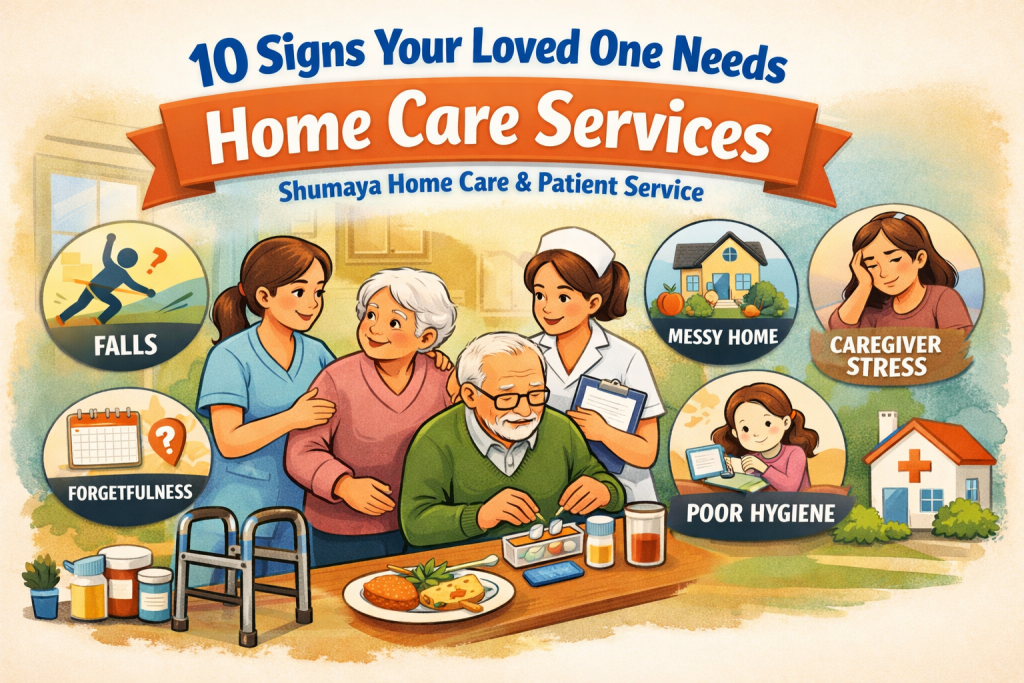
Have you ever looked at someone you love and thought, “Are they really okay on their own?” It’s not always easy to tell. Sometimes, small changes happen slowly, and we don’t notice them right away. But catching these signs early can make a big difference. That’s where Home nursing services in Lahore and Patient care services in Lahore can help. At Shumaya Home Care & Patient Service, we believe caring at home can bring comfort, safety, and peace of mind—for both patients and families. Let’s walk through this together in a simple way. What Are Home Care Services? Before we jump into the signs, let’s quickly understand what home care means. Home care is when trained caregivers or nurses help your loved one at home instead of moving them to a hospital or nursing home. This can include: Daily personal care (bathing, dressing) Medical help (medications, injections) Mobility support Emotional support You can learn more here:Home Nursing Services in LahorePatient Care Services in Lahore Why It’s Important to Notice Early Signs Guess what? Early action can prevent bigger problems later. If someone gets help on time: They stay safer Recovery is faster Stress is lower for everyone Now let’s look at the 10 clear signs. 1. Frequent Falls or Balance Problems Have you noticed your loved one stumbling or holding onto walls? Even small falls can be serious. Example: Maybe your father slipped in the bathroom last week, but said, “I’m fine.” That’s a warning sign. Home Nursing services can help by: Assisting with walking Making the home safer Preventing injuries 2. Trouble with Daily Activities Is your loved one finding it hard to: Bathe? Dress? Eat properly? These are basic daily tasks. When they become difficult, it’s time to think about patient care. Real-life example: If your mother is wearing the same clothes for days, she may need help—but might feel shy to ask. 3. Memory Problems or Confusion Forgetting small things is normal. But frequent confusion? That’s different. Watch for: Forgetting names Missing appointments Getting lost at home This could be early signs of memory issues like dementia. A trained caregiver can: Keep routines simple Provide reminders Offer safe supervision 4. Poor Personal Hygiene Let’s be honest—this one is hard to notice. If your loved one: Stops bathing regularly Has messy hair or dirty clothes Has body odor It may mean they need help. And no, it’s not about laziness. It’s often due to weakness, pain, or low energy. 5. Changes in Eating Habits Have you seen food left untouched? Or maybe expired food in the kitchen? Signs include: Weight loss Skipping meals Difficulty cooking With Patient care services in Lahore, caregivers can: Prepare meals Help with feeding Make sure nutrition is proper 6. Medication Mistakes This is a big one. Missing medicines or taking the wrong dose can be dangerous. Look out for: Confusion about medicine timing Unopened medicine packs Taking too much or too little Home nursing services in Lahore provide: Proper medication management Timely reminders Professional supervision 7. Mood Changes or Depression Is your loved one: Quiet all the time? Easily irritated? Losing interest in things they used to enjoy? These emotional changes matter. Example: If someone stops talking to family or avoids social interaction, they may feel lonely or depressed. Caregivers don’t just help physically—they also provide companionship. 8. Untidy or Unsafe Living Conditions Take a look around their home. Is it: Messy? Dirty? Cluttered? This may mean they’re struggling to manage things. Example: Piles of laundry or dishes left for days is a sign they need help. A caregiver can help keep things clean and organized. 9. Slow Recovery After Illness or Surgery Recovery takes time—but sometimes people need extra help. If your loved one: Is not healing properly Feels weak all the time Needs help moving Then home nursing is a great option. Learn more here:Post-Surgery Care at Home 10. Caregiver Burnout (Yes, You Matter Too!) Here’s something people don’t talk about enough… Are YOU feeling tired? Caring for someone is not easy. Signs you may need help: Feeling stressed or overwhelmed Not getting enough sleep No time for yourself Guess what? It’s okay to ask for help. With Patient care services in Lahore, you can: Take a break Share responsibilities Stay healthy yourself You’ve got this How Shumaya Home Care Can Help At Shumaya Home Care & Patient Service, we understand how emotional this journey can be. Our services include: Skilled home nurses 24/7 patient care Personalized care plans Friendly and respectful support We don’t just provide care—we stay by your side. Check our services:24/7 Patient Care ServicesHome Nursing Services in Lahore Tips for Families Here are some simple tips you can start today: Talk openly with your loved one Observe small changes Don’t wait for a serious problem Ask for professional help early Take care of your own health too Common Questions (FAQs) 1. When should I hire home care services? If you notice even 2–3 of the signs above, it’s a good idea to get help. 2. Is home care better than a hospital? For long-term care, home is often more comfortable and peaceful. 3. Are home nurses trained? Yes! Professional home nursing services in Lahore provide trained and experienced staff. 4. Can I get care for a few hours only? Yes, many patient care services in Lahore offer flexible timing. 5. Will my loved one feel comfortable? Most people feel happier at home, surrounded by familiar things. Quick Summary Let’s make it super simple Your loved one may need home care if you notice: Frequent falls Trouble with daily tasks Memory issues Poor hygiene Eating problems Medication mistakes Mood changes Messy home Slow recovery Caregiver stress Taking care of someone you love is a big responsibility—but you don’t have to do it alone. With the right Home Nursing and Patient care services in Lahore, life becomes easier, safer, and more comfortable. If you’re noticing these signs, it might be time to take the next step.
Home Care vs Nursing Home: Which is the Right Choice?
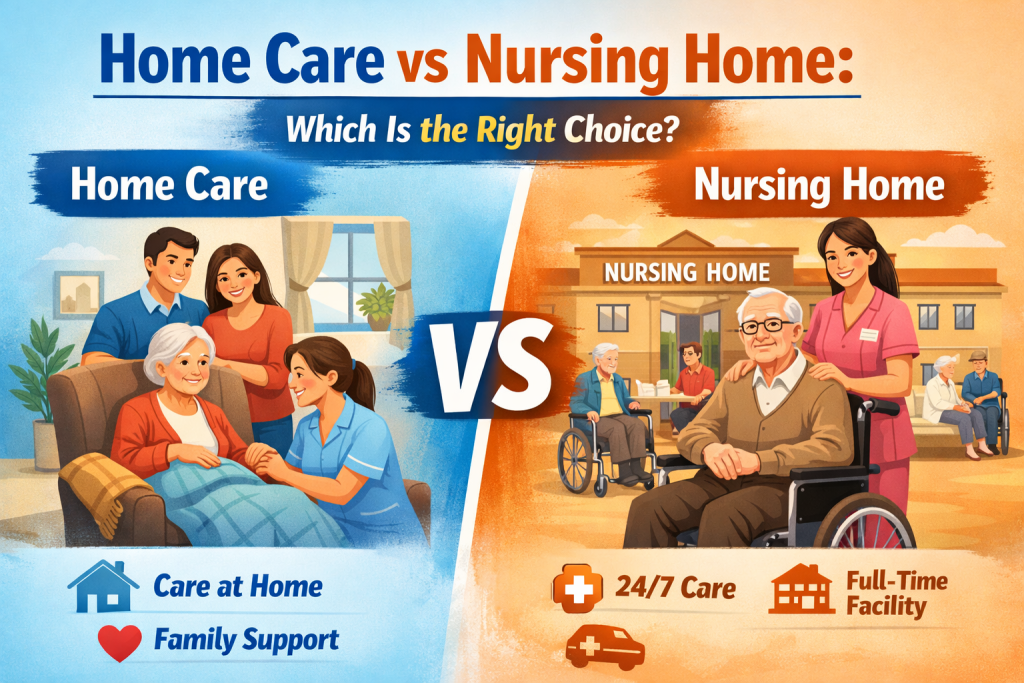
If you’re reading this, you might be thinking about the best care for someone you love—or maybe even for yourself in the future. And let’s be honest… it’s not an easy decision. Should you choose home care where the patient stays in a familiar place?Or go for a nursing home where medical help is always nearby? Don’t worry—you’re not alone in this. Many families in Pakistan face the same question every day. In this guide by Shumaya Home Care & Patient Service, we’ll break everything down in a simple way so you can make the best choice for your situation. What Is Home Care? Let’s start with the basics. Home care means a patient receives care at home instead of a hospital or facility. This can include: Help with daily activities (bathing, eating, dressing) Medical care by trained nurses Medication management Physiotherapy Emotional support At Shumaya, our Home nursing services in Lahore bring professional care right to your doorstep. 👉 Want to understand more? Check our guide on Home Nursing Services in Lahore What Is a Nursing Home? A nursing home is a place where patients live full-time and receive care from staff. It usually includes: 24/7 medical supervision Shared or private rooms Meals and housekeeping Group activities Nursing homes are often used for: Elderly people who need constant supervision Patients with serious health conditions People who don’t have family support at home Home Care vs Nursing Home: Quick Comparison Let’s make it super simple 👇 Feature Home Care Nursing Home Location Patient stays at home Patient moves to facility Comfort High (familiar place) Medium Family Access Anytime Limited visiting hours Personal Attention One-on-one care Shared attention Cost (Long-term) Often more flexible Can be expensive Independence More freedom Less independence 👉 See the difference? It really depends on what the patient needs. Why Many Families Prefer Home Care Let’s talk about something real… Imagine recovering in your own room, with your favorite blanket, your TV, and your family nearby. Feels better than a hospital bed, right? Here’s why many families choose Patient care services in Lahore at home: 1. Comfort of Home 🏠 Patients feel relaxed in familiar surroundings. 2. Family Support ❤️ Loved ones can stay close and be part of care. 3. One-on-One Attention 👩⚕️ A dedicated nurse focuses only on one patient. 4. Lower Risk of Infections 🦠 Hospitals and facilities can spread infections easily. 5. Flexible Care Plans You can adjust care based on your needs. At Shumaya, we make sure your loved one feels safe, respected, and cared for every step of the way. 👉 Learn how to prepare your home: How to Prepare Your Home for a Patient’s Recovery When Is a Nursing Home a Better Choice? Now let’s be fair—home care isn’t always the best option. Sometimes, a nursing home is more suitable. Consider a nursing home if: The patient needs constant medical monitoring (24/7 ICU-level care) There are serious mobility issues with no caregiver at home The home environment is not safe or suitable The patient feels lonely and wants social interaction For example:An elderly person living alone with advanced dementia may need a structured environment. Real-Life Example (Simple and Relatable) Let’s take two situations: Case 1: Ahmed (Home Care) Ahmed had a stroke but is stable now. His family hired Home nursing services in Lahore.Now he: Does physiotherapy at home Eats meals with family Recovers in a stress-free environment 👉 Result: Faster emotional and physical recovery. Case 2: Fatima (Nursing Home) Fatima has advanced Alzheimer’s and needs supervision all the time. Her family couldn’t provide 24/7 care at home. 👉 Result: She stays safe with trained staff always available. See the difference?Each situation needs a different solution. Cost Comparison: What Should You Expect? Let’s talk about money (because it matters!). Home Care Costs Pay for services you need Flexible (hourly, daily, or 24/7) Can be more affordable for long-term care Nursing Home Costs Fixed monthly charges Includes accommodation and meals Can become expensive over time 👉 In many cases, Patient care services in Lahore at home are more budget-friendly. Emotional Impact: Something People Often Forget Here’s something important… Health is not just physical—it’s emotional too. Home Care: Patient feels loved and secure Less stress and anxiety Faster recovery in many cases Nursing Home: Some patients feel lonely or isolated Takes time to adjust to a new place Ask yourself:👉 Will my loved one feel happy there? That question matters more than you think. Common Questions Families Ask 1. Is home care safe? Yes! With trained nurses, Home Nursing is safe and reliable. At Shumaya, we ensure: Qualified staff Proper hygiene Regular monitoring 2. Can serious patients be treated at home? Yes, many can! With Patient care services in Lahore, we handle: Post-surgery care Chronic illness Bedridden patients 👉 Read more: Pain Management for Bedridden Patients 3. What if we need help at night? No problem! We offer 24/7 home nursing services, so care is always available. 4. Is a nursing home better for elderly people? Not always. If the family is available, home care often gives better comfort and happiness. 5. How do I choose the right option? Ask yourself: What level of care is needed? Is family support available? What is your budget? What will make the patient feel comfortable? Helpful Tips Before You Decide Here are some simple tips to guide you: ✔ Talk openly with your family✔ Ask the patient what they prefer✔ Start with home care if possible✔ Visit a nursing home before deciding✔ Choose trusted providers like Shumaya Home Care & Patient Service Why Choose Shumaya Home Care? Guess what? You don’t have to figure this out alone. At Shumaya Home Care & Patient Service, we provide: Skilled and trained nurses 24/7 patient care Personalized care plans Friendly and respectful service We focus on comfort, safety, and dignity. 👉 Learn more about our Patient Care Services in Lahore Final Thoughts: Which One Is Right for You? So… home care or nursing home? Here’s the
How to Prepare Your Home for a Patient’s Recovery
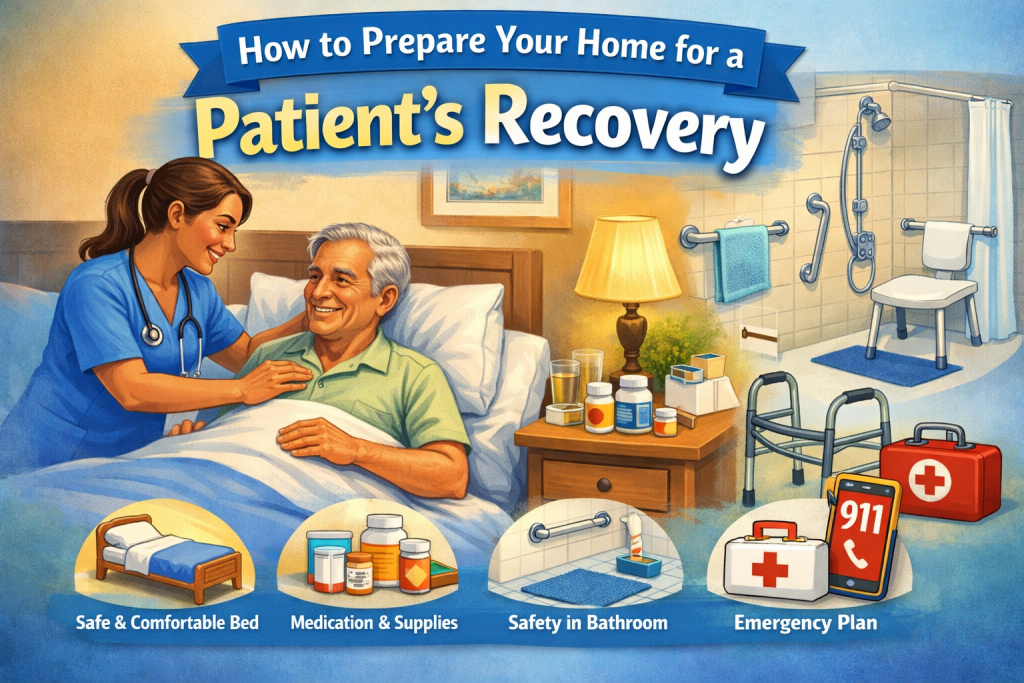
Is someone in your family coming home after surgery or illness? Or maybe you’re planning ahead for a loved one who needs patient care at home? First of all—you’re doing something really special. Helping someone recover at home brings comfort, love, and peace that hospitals often can’t give. But let’s be honest… it can also feel a bit confusing. Where should the patient sleep?What changes do you need to make?How do you keep them safe and comfortable? Don’t worry—we’re here to help. At Shumaya Home Care & Patient Service, we guide families every day with patient care services in Lahore and home nursing services in Lahore. Let’s walk through everything step by step—just like a friendly chat. Why Preparing Your Home Matters Imagine this: someone comes home after surgery, but the bed is uncomfortable, the bathroom is hard to reach, and there’s clutter everywhere. Sounds stressful, right? Now picture this instead: A clean, calm room Easy movement around the house Everything the patient needs within reach That’s the goal. A well-prepared home helps: Faster recovery Less stress for the patient Better safety (fewer falls and injuries) Easier work for caregivers and nurses And guess what? You don’t need a perfect house—just a few smart changes. Step 1: Choose the Right Room Let’s start with the basics—where will the patient stay? If possible, pick a room that: Is on the ground floor (to avoid stairs) Has good airflow and natural light Is quiet and peaceful Has enough space for movement Tip: If the bedroom is upstairs, consider setting up a temporary space downstairs. Example:If your father just had surgery, walking up stairs daily can be tiring and risky. A ground-floor setup makes life much easier. Step 2: Set Up a Comfortable Bed The bed is where the patient will spend most of their time. So comfort is everything. Here’s what you need: A firm mattress (not too soft) Clean bedsheets (change regularly) Extra pillows for support A waterproof sheet if needed You can also use: Side rails (to prevent falling) Adjustable beds (if available) Simple idea: Use pillows to support the back, legs, or arms depending on the patient’s condition. Step 3: Keep Essentials Within Reach Imagine needing water or medicine and not being able to reach it. Frustrating, right? Set up a small table near the bed with: Water bottle Medicines Tissues Phone Call bell (or a simple bell) This small setup saves time and avoids unnecessary movement. Step 4: Make the Bathroom Safe Bathrooms are one of the most common places for slips and falls. So let’s make them safer. Here’s what you can do: Use non-slip mats Install grab bars near the toilet and shower Keep the floor dry and clean Use a shower chair if needed If the bathroom is far, consider using a bedside commode. Real-life example:An elderly patient slipped once in the bathroom—and that delayed recovery. A simple mat could have prevented it. Step 5: Clear the Pathways Take a walk through your home and look around. Do you see: Loose wires? Rugs that can slip? Furniture blocking the way? Let’s fix that. Make sure: Walkways are clear and wide Floors are not slippery Lighting is bright enough, especially at night Add a night light for safe movement after dark. Step 6: Focus on Cleanliness Clean space = healthy recovery. Here’s what to do: Dust and clean the room daily Wash bedsheets regularly Keep the air fresh (open windows if possible) Dispose of waste properly This is especially important for patients with weak immunity. Step 7: Manage Medicines Properly Medicines are a big part of recovery. To stay organized: Keep a medicine schedule Use labeled boxes Set alarms for timings Never skip or double-dose medicines. If this feels overwhelming, don’t worry—home nursing services in Lahore can help manage medicines safely. Step 8: Arrange Mobility Support Some patients need help moving around. You can use: Walking sticks Walkers Wheelchairs Make sure the home is arranged so these tools can move easily. Ask yourself:Can the patient move from bed to bathroom safely? If not, adjust the setup. Step 9: Prepare for Emergencies Let’s hope you never need it—but it’s always better to be ready. Keep these ready: Emergency contact numbers Doctor’s number First aid kit Backup power (if possible) Save important numbers on your phone and keep them written nearby too. Step 10: Don’t Forget Emotional Support Recovery isn’t just physical—it’s emotional too. Patients may feel: Bored Worried Lonely Here’s how you can help: Sit and talk with them Play their favorite TV shows Encourage light activity Stay positive Kind words can heal faster than medicine sometimes. How Shumaya Home Care Supports You At Shumaya Home Care & Patient Service, we know preparing a home can feel like a lot. That’s why our patient care services in Lahore include: Skilled home nurses 24/7 patient care Personalized care plans Support with home setup Friendly and respectful service Learn more about our services: Home Nursing Services in Lahore 24/7 Patient Care Services Post-Surgery Care at Home We don’t just provide patient care—we stay with you every step of the way. Common Questions People Ask 1. How early should I prepare the home? Start at least 2–3 days before the patient arrives. 2. Do I need special medical equipment? Not always. It depends on the patient’s condition. A doctor or home nurse can guide you. 3. Can I manage care alone? You can—but it can be tiring. Getting help from home nursing services in Lahore makes things easier and safer. 4. What if the patient cannot move at all? You’ll need: Regular position changes Proper bedding Help from trained caregivers 5. How do I keep the patient comfortable? Maintain a calm environment Keep everything nearby Listen to their needs Simple things make a big difference. Simple Daily Checklist Here’s a quick checklist you can follow: Room is clean and quiet Bed is comfortable Medicines are on time Pathways are clear Bathroom is safe Patient feels supported Check these daily—it
Importance of Physiotherapy in Home Care
Have you ever seen someone struggle to walk after surgery or feel stiff after being in bed for too long? It can be tough—not just physically, but emotionally too. Now imagine getting better in the comfort of your own home instead of going back and forth to a clinic. Sounds easier, right? That’s where physiotherapy in home care comes in. It plays a big role in helping patients recover, move better, and feel more confident again—right at home. At Shumaya Home Care & Patient Service, we see every day how home nursing services in Lahore combined with physiotherapy can truly change lives. Let’s talk about why it matters so much and how it can help you or your loved ones. What is Physiotherapy in Home Care? Let’s keep it simple. Physiotherapy is a type of treatment that helps people: Move better Reduce pain Gain strength Recover after illness or injury When this care is given at home, it’s called home physiotherapy. Instead of visiting a hospital or clinic, a trained professional comes to you. Pretty convenient, right? 😊 This is often part of patient care services in Lahore, especially for people who: Had surgery Are recovering from a stroke Have difficulty walking Are elderly or bedridden Why is Physiotherapy Important in Home Care? Let’s get to the main question: Why does it matter so much? Here are some simple and real reasons. 1. Helps You Recover Faster When you stay active (even a little), your body heals better. Physiotherapy helps: Improve blood flow Reduce stiffness Speed up healing For example, after knee surgery, simple exercises at home can help you walk again sooner. And the best part? You’re doing it in your own room, not a crowded clinic. 2. Reduces Pain Naturally Pain can make everyday life feel difficult. Physiotherapy uses techniques like: Gentle exercises Stretching Movement training These methods help reduce pain without always depending on medicines. That’s a big win for long-term health! 3. Makes Daily Life Easier Think about simple things like: Getting out of bed Walking to the bathroom Sitting on a chair These may seem small, but they matter a lot. Physiotherapy helps you regain these abilities step by step. At Shumaya Home Care, our home nursing services in Lahore focus on helping patients become more independent again. 4. Prevents Future Problems Here’s something many people don’t think about. Without movement, patients may develop: Muscle weakness Joint stiffness Bed sores Physiotherapy helps prevent these issues before they start. It’s like taking care of your body today so you don’t face bigger problems tomorrow. 5. Keeps the Mind Positive Guess what? Recovery isn’t just physical. When patients start moving again, they often feel: More confident Less stressed More hopeful And honestly, that mental boost is just as important as physical healing. Why Choose Physiotherapy at Home Instead of a Clinic? Good question! Let’s compare. Benefits of Home Physiotherapy Comfort – You’re in your own home No travel stress – No need to go outside Personal attention – One-on-one care Family support – Loved ones can be involved For many families in Lahore, this is why patient care services in Lahore are becoming more popular. How Physiotherapy Works at Home Curious about what actually happens during a home visit? Let’s walk through it. Step-by-Step Process AssessmentThe physiotherapist checks your condition and movement. Care PlanA simple plan is made based on your needs. Exercises & TherapyYou’ll do guided exercises safely. Progress TrackingYour improvement is checked regularly. Family GuidanceYour family learns how to support you. Easy and friendly, right? 😊 Who Needs Physiotherapy in Home Care? You might be wondering, “Is this for me or my loved one?” Here are some common cases: Elderly patients Stroke recovery patients Post-surgery patients People with back or joint pain Bedridden patients Patients with paralysis If moving around feels difficult, physiotherapy can help. Real-Life Example Let’s make it real. Ali, a 65-year-old man in Lahore, had a stroke. He couldn’t walk properly and felt weak. Instead of going to a hospital daily, his family chose home nursing services in Lahore with physiotherapy. Within weeks: He started standing with support Then walking slowly And eventually moving around the house Isn’t that amazing? 💙 Tips to Get the Best Results from Physiotherapy at Home Want better results? Try these simple tips: ✔ Stay Consistent Do your exercises regularly—even on days you feel lazy. ✔ Follow Instructions Your physiotherapist knows what’s best. Trust the process. ✔ Keep a Positive Mindset Recovery takes time, but you’re moving forward! ✔ Involve Family Having support makes a big difference. ✔ Ask Questions Don’t hesitate—understanding helps you improve faster. Common Questions About Physiotherapy in Home Care Let’s answer some questions people often ask. ❓ Is physiotherapy safe at home? Yes! When done by trained professionals, it’s very safe. ❓ How long does recovery take? It depends on the condition. Some people improve in weeks, others take longer. ❓ Do I need equipment? Most exercises use simple tools or body movement. No fancy equipment needed. ❓ Can elderly patients benefit from it? Absolutely! It helps improve balance, strength, and confidence. ❓ Is it better than hospital therapy? For many people, yes—especially for long-term care. How Shumaya Home Care Supports You At Shumaya Home Care & Patient Service, we understand how hard recovery can be. That’s why our patient care services in Lahore include: Skilled physiotherapy support Experienced home nurses 24/7 patient care Personalized care plans Friendly and respectful service We don’t just provide patient care—we stay with you every step of the way. Internal Links You May Find Helpful To learn more, check out these helpful guides: What To Expect From Your Home Nurse Post-Surgery Care at Home: What You Need to Know Pain Management Techniques for Bedridden Patients Managing Chronic Illness at Home: Tips for Families Final Thoughts So, what did we learn today? Physiotherapy in home care is all about helping you move, heal, and feel better—right at home. It: Speeds up recovery Reduces pain Improves daily life
Pain Management Techniques for Bedridden Patients

Simple, Caring Tips for Comfort at Home Taking care of a bedridden patient can feel overwhelming at times—especially when pain becomes part of daily life. You might be wondering, “Am I doing enough to keep them comfortable?” Guess what? You can make a big difference with the right pain management techniques and a little guidance. At Shumaya Home Care & Patient Service, we see every day how proper patient care at home can bring comfort, dignity, and peace to both patients and families. In this guide, we’ll walk you through easy, practical ways to manage pain for bedridden patients—in simple words, just like a friendly chat. What Does “Pain Management” Mean? Let’s keep it simple. Pain management means finding ways to reduce or control pain so the patient feels more comfortable. Pain can be: Mild (a little discomfort) Moderate (noticeable and bothersome) Severe (hard to ignore, affects sleep and mood) For bedridden patients, pain often comes from: Staying in one position too long Pressure sores (bedsores) Muscle stiffness Medical conditions like arthritis, stroke, or cancer Good news: With proper home nursing services in Lahore, most of this pain can be managed right at home. Why Pain Management Matters So Much Think about lying in one position for hours… sounds uncomfortable, right? Now imagine doing that for days or weeks. Without proper care, pain can: Affect sleep Lower mood Slow recovery Cause stress for both patient and family That’s why patient care services in Lahore focus not just on treatment—but also on comfort and quality of life. Common Causes of Pain in Bedridden Patients Before we talk about solutions, let’s understand the problem. 1. Pressure Sores (Bedsores) These happen when the skin stays under pressure for too long. Common areas: Back Hips Heels Elbows 2. Muscle Stiffness When the body doesn’t move much, muscles become tight and painful. 3. Joint Pain Conditions like arthritis can get worse without movement. 4. Nerve Pain Some patients feel burning or tingling due to nerve damage. 5. Emotional Stress Yes, pain isn’t always physical. Feeling helpless or lonely can increase discomfort. Simple Pain Management Techniques You Can Use at Home Now let’s get to the part you’ve been waiting for—what can you actually do? 1. Change Positions Regularly This is one of the easiest and most effective methods. 👉 Try this: Turn the patient every 2 hours Use pillows to support the body Keep joints in a natural position Why it helps:It reduces pressure on the skin and improves blood flow. 2. Use Soft Bedding and Support Comfort starts with the bed. Helpful tips: Use an air mattress or soft foam mattress Keep bedsheets clean and wrinkle-free Add cushions under pressure points Isn’t it amazing how something simple like a pillow can reduce pain? 3. Gentle Massage A light massage can do wonders. How to do it: Use warm oil or lotion Apply gentle pressure Focus on stiff areas Benefits: Relaxes muscles Improves blood circulation Reduces stress 4. Apply Heat or Cold Therapy This is a simple home trick. Warm compress → Helps with stiffness Cold compress → Reduces swelling ⚠️ Always check skin sensitivity before applying. 5. Keep the Skin Clean and Dry Healthy skin = less pain. Daily care: Clean gently with mild soap Dry properly Use moisturizer This helps prevent bedsores, which can be very painful. 6. Encourage Gentle Movement Even small movements can help. Examples: Moving arms and legs Simple stretching Assisted exercises With help from home nursing services in Lahore, these exercises can be done safely. 7. Proper Medication (When Needed) Sometimes, medicines are necessary. These may include: Painkillers Muscle relaxants Anti-inflammatory drugs ⚠️ Always follow the doctor’s advice. 8. Emotional Support Matters Too Here’s something many people forget. A patient who feels cared for often feels less pain. Try this: Talk to them Sit beside them Play their favorite TV show A little kindness goes a long way. Role of Professional Home Nursing Let’s be honest—managing all this alone can be tough. That’s where Home Nursing comes in. At Shumaya, our trained staff provides: Pain assessment Safe patient handling Bed sore prevention Medication management 👉 Learn more about our services here: Home Nursing Services in Lahore Patient Care Services in Lahore With professional help, you don’t have to carry the burden alone. Real-Life Example Let’s make this more real. Ali’s father was bedridden after a stroke. At first, he had: Severe back pain Trouble sleeping Low mood After starting proper patient care at home: He was repositioned regularly Given gentle massages Supported by a trained nurse Within weeks, his pain reduced, and he started sleeping better. Small changes = big results. Daily Pain Care Routine (Easy Checklist) Here’s a simple routine you can follow: Morning: Clean and freshen up the patient Check skin for redness Do light exercises Afternoon: Change position Offer a healthy meal Give medication if needed Evening: Gentle massage Relaxation time (TV, talk, prayer) Night: Comfortable sleeping position Clean bedding Stick to this routine and you’ll see improvement. Common Mistakes to Avoid Let’s save you from some common problems. ❌ Not changing position often❌ Ignoring early signs of bedsores❌ Using rough or hard bedding❌ Skipping doctor advice❌ Forgetting emotional care Avoiding these can make a huge difference. When Should You Call a Doctor? Sometimes, home care isn’t enough. Call a doctor if you notice: Severe or sudden pain Open wounds or bedsores Swelling or redness Fever Patient becomes unresponsive Don’t wait—early action is always better. Frequently Asked Questions (FAQs) 1. How often should I move a bedridden patient? Every 2 hours is ideal to prevent pain and bedsores. 2. What is the best mattress for bedridden patients? An air mattress or pressure-relief mattress works best. 3. Can massage reduce pain? Yes! Gentle massage helps relax muscles and improve blood flow. 4. Is home nursing really helpful? Absolutely. Home nursing services in Lahore provide trained support that improves comfort and safety. 5. What if the patient refuses movement? Try to encourage gently. Explain benefits and keep
How Home Care Helps in Stroke Recovery

If someone in your family has had a stroke, you might be feeling worried, confused, or even a little overwhelmed. That’s completely normal. A stroke can change life in many ways—but here’s the good news: recovery is possible, and the right care at home can make a big difference. Let’s talk about how home care helps in stroke recovery, in a simple and friendly way—just like we’re having a chat over tea. What Happens After a Stroke? First, let’s keep it simple. A stroke happens when blood flow to the brain is blocked or reduced. Because of this, some parts of the brain don’t get enough oxygen, and that can affect: Movement (like walking or using hands) Speech (talking or understanding words) Memory and thinking Daily activities (eating, bathing, dressing) Now you might be thinking:“Can things get better?” Yes! With proper patient care and home nursing, many people improve step by step. Why Choose Home Care for Stroke Recovery? After hospital treatment, many families in Lahore choose home nursing services in Lahore instead of keeping their loved one in the hospital for a long time. Why? Because home feels… well, like home. Here’s why it helps: 1. Comfort Speeds Up Recovery Being in a familiar place makes patients feel calm and safe. They sleep better They feel less stress They stay more positive And guess what? A calm mind helps the body heal faster. Isn’t that neat? 2. One-on-One Attention In hospitals, nurses take care of many patients. But with patient care services in Lahore, your loved one gets: Full attention Personalized care Regular monitoring This means small problems are noticed early. 3. Family Support Matters At home, family is always around. You can sit, talk, and encourage the patient Emotional support becomes stronger Patients don’t feel alone Sometimes, just holding someone’s hand can mean a lot. 4. Lower Risk of Infections Hospitals can expose patients to infections. At home: The environment is cleaner and controlled There’s less exposure to germs This keeps recovery on track. What Does Home Nursing Do for Stroke Patients? You might be wondering:“What exactly does a home nurse do?” Great question! A trained nurse from home nursing services in Lahore can help in many ways: Daily Medical Care Checking blood pressure Giving medicines on time Monitoring sugar levels (if needed) Personal Care Helping with bathing and dressing Feeding support Toileting assistance Mobility Support Helping the patient sit, stand, or walk Preventing falls Assisting with exercises Therapy Support Following doctor’s therapy plan Helping with simple physical exercises Encouraging movement Step-by-Step Stroke Recovery at Home Recovery doesn’t happen overnight. It’s a journey. Let’s break it down into simple steps: Step 1: Safe and Comfortable Setup Make the home patient-friendly: Keep the bed at a safe height Remove slippery rugs Add support bars if needed Step 2: Follow a Routine Routine helps the brain heal. Fixed time for meals Regular medicine schedule Sleep at the same time daily Step 3: Start Gentle Exercises Movement is important. Simple arm and leg exercises Sitting and standing practice Walking with support Even small movements matter. Step 4: Speech and Communication Practice If speech is affected: Talk slowly and clearly Use simple words Give time to respond You can also use gestures or pictures. Step 5: Healthy Diet Food plays a big role. Give: Soft and easy-to-eat meals Low salt food Fruits and vegetables Avoid: Oily and heavy meals Real-Life Example Let’s make it real. Ali’s father had a stroke and came home after 10 days in the hospital. At first, he couldn’t walk or speak properly. The family arranged patient care services in Lahore. The home nurse: Helped with daily exercises Managed medicines Encouraged speech practice After a few months: He started walking with support His speech improved He became more independent See? Small daily steps bring big changes. Tips for Families Caring at Home Taking care of a stroke patient is not always easy—but you’ve got this! Here are some helpful tips: Be Patient Recovery takes time. Avoid rushing. Celebrate Small Wins Did they move their hand today? That’s progress! Stay Positive Your energy affects the patient. Stay hopeful. Take Care of Yourself Don’t forget your own health. Rest when you can. Common Challenges (And Simple Solutions) Let’s talk about real problems families face: Problem: Patient Refuses Therapy Solution: Make it fun and gentle. Don’t force. Problem: Difficulty in Eating Solution: Use soft foods Feed slowly Keep the patient upright Problem: Risk of Bed Sores Solution: Change position every 2 hours Keep skin clean and dry Problem: Mood Changes Stroke can affect emotions. Solution: Stay calm Listen more Encourage social interaction Common Questions About Stroke Recovery at Home 1. How long does recovery take? It depends on the person. Some recover in months, others take longer. 2. Can stroke patients fully recover? Some people recover almost completely, while others improve gradually. 3. Is home care better than hospital care? For long-term recovery, home nursing services in Lahore often work better because of comfort and personal care. 4. Do we need a professional nurse? Yes, especially in the early stages. A trained nurse ensures safe and proper care. 5. What therapies are needed? Physical therapy (movement) Speech therapy Occupational therapy (daily activities) How Shumaya Home Care Helps At Shumaya Home Care & Patient Service, we understand how challenging stroke recovery can be. Our patient care services in Lahore are designed to support both patients and families. We offer: Skilled home nurses 24/7 patient care Personalized recovery plans Friendly and respectful support We don’t just provide care—we stay with you every step of the way. Quick Summary Let’s quickly go over the main points: Stroke recovery takes time and patience Home nursing services in Lahore provide comfort and better care One-on-one attention helps faster improvement Daily routine, exercise, and healthy food are key Family support makes a big difference Small progress every day leads to big results Final Words Hey—you’re doing something really important by learning about this. Caring for someone
Managing Chronic Illness at Home: Tips for Families
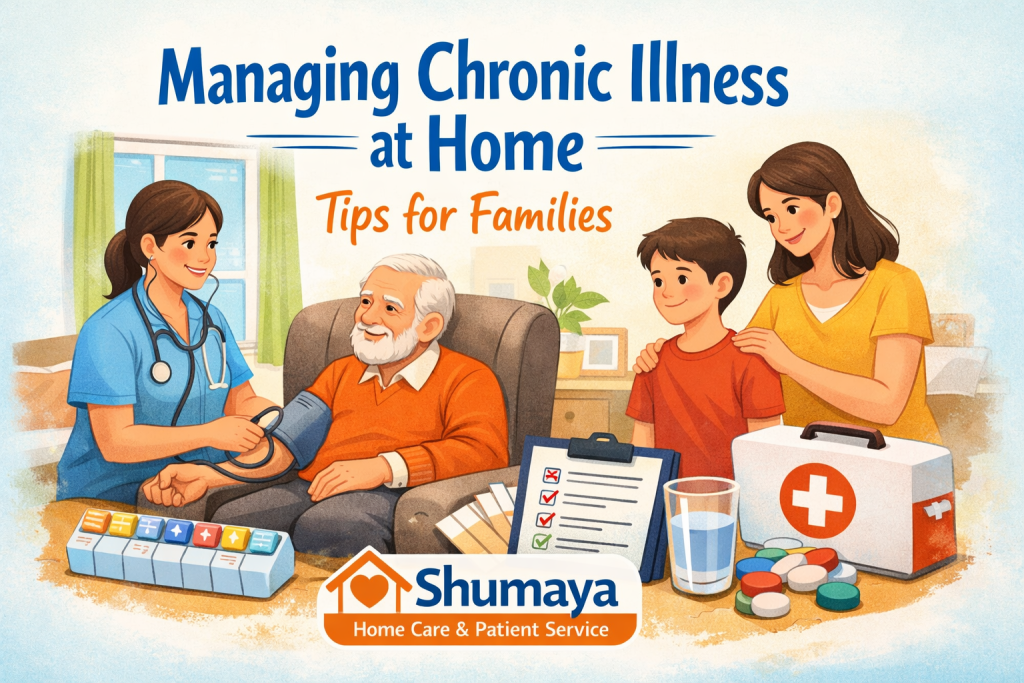
If someone in your family is living with a long-term illness like diabetes, heart disease, stroke, or dementia, you already know—it’s not just a medical issue. It affects daily life, emotions, routines, and even relationships. But here’s the good news: with the right support and planning, managing chronic illness at home can become easier and more comfortable. At Shumaya Home Care & Patient Service, we’ve helped many families with home nursing services in Lahore and patient care services in Lahore, and we understand what works in real life—not just in theory. So let’s talk about it like friends and make things simple. What Does “Chronic Illness” Mean? Let’s start with the basics. A chronic illness is a condition that lasts for a long time and usually needs ongoing care. Some common examples are: Diabetes Heart disease Stroke recovery Arthritis Dementia or Alzheimer’s Paralysis These conditions may not fully go away, but they can be managed well with proper care at home. Why Choose Home Care for Chronic Illness? Have you ever noticed how people feel better in their own home? That’s not just in your head—it’s real. Here’s why many families prefer home nursing services in Lahore: Comfort – Patients stay in a familiar place Family support – Loved ones are always nearby Personal attention – One-on-one care Lower cost – Better for long-term care Less stress – No hospital noise or rush Imagine taking your medicine while sitting in your favorite chair instead of a hospital bed. Feels better, right? Common Challenges Families Face Let’s be honest—caring for someone with a chronic illness isn’t always easy. You might face things like: Confusion about medicines Managing doctor visits Physical exhaustion Emotional stress Lack of medical knowledge Sometimes, you may even think:“Am I doing this right?” And that’s okay. Many families feel the same way. Tip #1: Create a Daily Care Routine Guess what? A simple routine can make a big difference. When everything is planned, it reduces stress for both you and the patient. What to include in a daily routine: Medication timings Meal times Exercise or movement Rest and sleep Hygiene care For example:If your loved one has diabetes, keeping a fixed time for meals and insulin can help control sugar levels. Pro Tip: Write the routine on paper and stick it on the wall. Easy and helpful! Tip #2: Manage Medications Carefully Medicines are a big part of patient care. Missing a dose or taking the wrong one can cause problems. Simple ways to stay on track: Use a pill organizer Set alarms on your phone Keep a medicine chart Double-check doctor instructions If it feels confusing, a trained home nurse can handle this safely. 👉 Learn more about medication support in our guide:[What To Expect From Your Home Nurse] Tip #3: Keep Track of Health Changes Small changes can tell you a lot about a patient’s condition. Watch out for: Fever Sudden weakness Changes in breathing Mood changes Loss of appetite For example:If a heart patient suddenly feels tired all the time, it might need medical attention. Don’t ignore small signs—they matter. Tip #4: Focus on Nutrition and Diet Food is not just food—it’s part of treatment. Different illnesses need different diets: Diabetes → Low sugar, balanced meals Heart disease → Low salt, less oil Stroke recovery → Soft, easy-to-eat food Easy tips: Serve small, frequent meals Include fruits and vegetables Keep the patient hydrated Avoid junk food Think of food as “daily medicine” for the body. Tip #5: Encourage Movement and Exercise You might think rest is best—but too much rest can cause problems. Even small movements help: Improve blood flow Reduce stiffness Boost mood Simple activities: Short walks (if possible) Light stretching Sitting exercises For bedridden patients, a home nurse can help with safe movement. Tip #6: Don’t Ignore Mental Health Here’s something many people forget: Chronic illness doesn’t just affect the body—it affects the mind too. Patients may feel: Sad Angry Lonely Frustrated What you can do: Talk to them daily Listen without judging Encourage hobbies Let them feel involved Even a simple chat like,“Hey, how are you feeling today?”can make a big difference. Tip #7: Maintain Hygiene and Cleanliness Clean surroundings help prevent infections. Daily care includes: Bathing or sponge cleaning Clean clothes Fresh bed sheets Oral care This is especially important for patients who cannot move on their own. 👉 You can also read:[Elderly Patient Care at Home: Benefits & Best Practices] Tip #8: Know When to Get Professional Help Let’s be real—you can’t do everything alone. And that’s perfectly okay. A trained professional from patient care services in Lahore can help with: Medical care Injections and drips Monitoring vital signs Wound care Emergency support When should you consider home nursing? After surgery During serious illness For elderly care When care becomes too difficult to manage 👉 Related guide:[Post-Surgery Care at Home: What You Need to Know] Tip #9: Be Prepared for Emergencies Emergencies can happen anytime. Being ready can save time—and lives. Keep these things ready: Doctor’s contact number List of medicines Emergency kit Nearby hospital info Also, learn basic first aid if possible. Tip #10: Take Care of Yourself Too Here’s something important: You matter too. Caregivers often forget their own health. But if you’re tired or stressed, it affects the patient as well. Simple self-care tips: Take short breaks Ask for help Eat properly Get enough sleep Remember:You can care better when you feel better. Real-Life Example Let’s make this real. Ali’s father had a stroke. At first, the family tried to manage everything alone. They were stressed and confused. Then they hired a professional from home nursing services in Lahore. The nurse helped with: Daily exercises Medicine management Hygiene care Within weeks, things became more organized—and less stressful for everyone. Sometimes, a little help changes everything. Common Questions Families Ask 1. Can chronic illness be fully cured? Most chronic illnesses cannot be completely cured, but they can be controlled with proper care. 2. Is home care safe?