
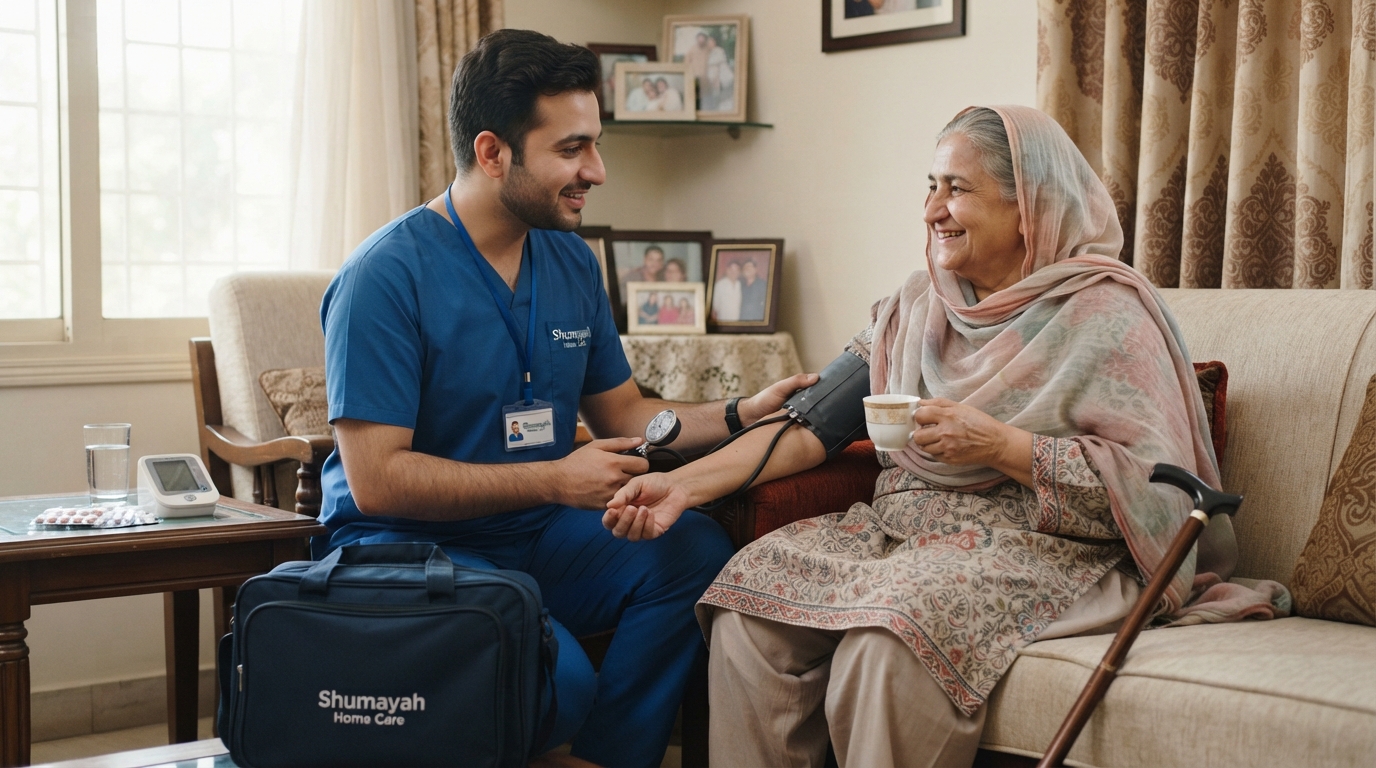
Watching a parent slow down, forget small things, or wince while standing up from a chair is hard. Many families in Lahore go through this every day. It's a normal part of aging, but that doesn't make it less worrying.
Understanding the common health problems in seniors helps families notice issues early and respond the right way. It also makes it easier to plan proper elderly care at home instead of reacting only after something goes wrong.
This article covers the health issues that show up most often in older adults, the warning signs to watch for, and what families can do to keep their loved ones safe and comfortable.
As the body ages, muscles weaken, joints wear down, and organs work a little less efficiently than before. The immune system also slows down, so infections and illnesses take longer to heal.
None of this means decline is unavoidable. Good nutrition, regular movement, and proper monitoring can slow many of these changes. But families still need to know what to watch for.
Joint pain is one of the most common complaints among older adults. Arthritis makes knees, hips, and hands stiff, swollen, and painful, especially in the morning or after sitting for a while.
What helps:- Gentle daily movement, like short walks
- Warm compresses on painful joints
- Doctor-guided pain management
- Supportive footwear to reduce joint strain
Heart conditions and high blood pressure are common in seniors, often without obvious symptoms for years. Warning signs include shortness of breath, chest tightness, swelling in the legs, or unusual tiredness.
Regular blood pressure checks at home and a low-sodium diet go a long way in managing this. Families managing a parent's heart condition often benefit from structured patient care services in Lahore that include daily monitoring.
Type 2 diabetes is widespread among older adults. Left unmanaged, it can affect eyesight, kidney function, and wound healing.
Signs to watch for:- Frequent thirst or urination
- Slow-healing cuts
- Sudden weight changes
- Tingling in hands or feet
Diabetes care at home usually involves diet changes, medicine timing, and regular sugar checks. If daily management feels overwhelming for the family, our guide to diabetic patient care at home and trained home nursing services can take over this routine safely.
Many seniors quietly lose vision or hearing without saying much about it. They might avoid conversations, misjudge stairs, or stop reading as much as before.
This isn't just inconvenient. Poor vision and hearing increase the risk of falls and isolation. A yearly eye and ear checkup should be part of every senior's routine care.
Occasional forgetfulness is normal with age. But repeated confusion, getting lost in familiar places, or forgetting close family members are signs of something more serious, such as dementia.
Early signs include:- Repeating the same questions
- Trouble following conversations
- Misplacing items in unusual places
- Sudden mood or personality changes
Families noticing these patterns should speak with a doctor early. Dementia and memory-related conditions often need specialized care approaches that go beyond regular caregiving.
Bones naturally lose density with age, making fractures more likely from even small falls. Osteoporosis is especially common in women after menopause.
Calcium-rich foods, vitamin D, and safe home flooring (no loose rugs, good lighting, grab bars in bathrooms) reduce fracture risk significantly.
Weak muscles, poor balance, and joint pain all combine to make falls one of the biggest dangers for seniors living at home. A fall that seems minor can lead to a hip fracture or long hospital stay.
Simple safety steps:- Clear walkways of clutter and cords
- Install grab bars near the bed and bathroom
- Encourage use of a cane or walker if recommended
- Keep frequently used items within easy reach
Bladder control issues are common but rarely talked about openly, which often delays proper care. It can result from weakened muscles, infections, or other underlying conditions.
Addressing it early with a doctor, rather than assuming it's just "part of getting old," can improve comfort and dignity significantly.
Physical health isn't the only concern. Many seniors experience depression, often linked to reduced independence, loss of a spouse, or fewer social connections.
Signs to watch for:- Withdrawing from family and friends
- Loss of interest in daily activities
- Changes in sleep or appetite
- Constant tiredness with no physical cause
Regular company, conversation, and involvement in family life matter just as much as medicine. This is one reason many families choose home nursing services that include companionship, not just medical tasks.
Not every symptom needs an emergency visit, but some should never be ignored:
- Sudden confusion or slurred speech
- Chest pain or difficulty breathing
- A fall followed by pain, swelling, or inability to stand
- High fever that doesn't go down
- Sudden vision loss
When in doubt, it's always safer to call a doctor than to wait and see.
Managing several health conditions at once can be exhausting for family caregivers, especially while juggling work and other responsibilities. Trained home nursing services in Lahore can help by:
- Monitoring vital signs and medicine schedules
- Assisting with daily mobility and hygiene
- Watching for early warning signs
- Coordinating with doctors when something changes
- Giving family caregivers a much-needed break
This kind of support doesn't replace family care. It works alongside it, so seniors get consistent attention even on the days families can't be there in person.
Aging brings real health challenges, but most of them can be managed well with early attention and the right support. Watching for the signs above, keeping up with regular checkups, and building a safe home environment all make a real difference.
For families in Lahore who need extra hands, Shumaya Home Care & Patient Service offers trained nursing support to help seniors stay safe, comfortable, and cared for at home.