
Bedridden Elderly Care Guide

Bedridden Elderly Care Guide: How to Care for an Older Adult at Home Caring for a bedridden older adult at home can be challenging. Simple tasks such as bathing, eating, changing clothes, using the toilet, or getting into a comfortable position may require help. Good bedridden elderly care is about more than keeping someone comfortable in bed. Daily care should also help protect their skin, support nutrition and hydration, maintain safe movement, manage medicines, and protect their dignity. The right routine depends on why the person is bedridden, how much they can move, and what other health problems they have. A person recovering from a stroke may have very different needs from someone recovering from surgery or living with a long-term illness. This guide explains practical ways families can provide safer and more comfortable care at home. Medical note: This guide provides general information for families caring for a bedridden older adult. Individual care needs vary. Follow the care plan provided by the person’s doctor, nurse, physiotherapist, or other healthcare professional. What Does Bedridden Elderly Care Involve? A bedridden older adult may have limited ability to leave or move around in bed because of illness, weakness, injury, surgery, stroke, or another health condition. Depending on their needs, daily bedridden patient care may include: Personal hygiene and bathing Oral care Toileting and incontinence care Assistance with meals and fluids Changing clothes and bedding Repositioning and comfortable positioning Skin checks Safe movement or prescribed exercises Medication management Monitoring for changes in health Emotional support and companionship The aim is to provide the help the person needs while allowing them to do safe tasks independently. Daily Care Routine for a Bedridden Older Adult A simple routine can help families remember important parts of care. Morning Care Start the morning by checking how the person feels. Ask about: Pain or discomfort Sleep Breathing Appetite Nausea Any new symptoms Then help with personal care as needed: Wash the face and hands. Provide oral care. Assist with bathing or a bed bath. Change clothes and wet or soiled bedding. Check the skin for redness, discoloration, blisters, or damaged areas. Help with breakfast and fluids according to the person’s care plan. Give prescribed medicines at the correct time. During personal care, explain what you are doing and protect the person’s privacy. Daytime Care During the day, focus on comfort, nutrition, hydration, hygiene, safe movement, and social contact. Depending on the person’s medical plan: Offer meals and fluids at appropriate times. Help with toileting. Reposition the person as recommended. Follow exercises prescribed by a physiotherapist. Check the person’s comfort regularly. Provide time for conversation or other enjoyable activities. If the person can safely participate in their own care, encourage them to do so. Even small tasks can help maintain a sense of independence. Evening Care Before bedtime: Provide personal hygiene. Change clothing or absorbent products if needed. Check the skin again. Make sure the bedding is clean and dry. Give prescribed evening medicines. Help the person into a comfortable position. Keep essential items safely within reach. The exact routine should be adjusted to the person’s condition and care plan. Bedridden Elderly Care Daily Checklist A checklist can make long-term caregiving easier and reduce the chance of forgetting routine tasks. Morning ☐ Personal hygiene ☐ Oral care ☐ Skin check ☐ Clean clothes and bedding ☐ Breakfast and fluids ☐ Prescribed medicines During the Day ☐ Reposition according to the care plan ☐ Meals and fluids ☐ Toileting ☐ Prescribed exercises or movement ☐ Comfort check ☐ Social interaction Evening ☐ Personal hygiene ☐ Toileting or incontinence care ☐ Skin check ☐ Evening medicines ☐ Comfortable positioning ☐ Clean, dry bedding ☐ Essential items safely within reach Families can keep this checklist near the patient’s care area and adjust it to their healthcare professional’s instructions. Prevent Pressure Sores and Skin Problems Pressure injuries, commonly called bed sores or pressure sores, are an important concern when someone spends much of the day in bed. They can develop when prolonged pressure affects blood flow to an area of skin and underlying tissue. Common areas include the: Heels Tailbone Hips Elbows Ankles Other bony areas How to Reduce the Risk Families can help by: Repositioning the person according to their individual care plan. Checking the skin regularly. Keeping the skin clean and dry. Managing moisture from urine, stool, or sweating. Keeping bedding smooth and free of wrinkles. Using pressure-relieving equipment when recommended. Supporting adequate nutrition and fluid intake when medically appropriate. There is no single repositioning schedule that is right for every bedridden person. The frequency depends on mobility, skin condition, comfort, medical problems, and the person’s care plan. Check for Early Skin Changes Look for: Persistent redness or discoloration Darker or purple areas Unusual warmth Swelling Blisters Skin that feels unusually hard or soft Pain or tenderness Broken skin Drainage Pressure injuries can look different on different skin tones, so do not rely only on bright redness as a warning sign. Do not massage an area that is already painful, discolored, or damaged unless a healthcare professional specifically recommends it. Persistent discoloration, blistering, an open wound, drainage, swelling, warmth, or increasing pain should be assessed by a healthcare professional. Personal Hygiene and Toileting Personal hygiene is important for comfort, skin health, and dignity. A bedridden older adult may need assistance with: Bathing or bed bathing Oral hygiene Hair care Changing clothes Toileting Perineal hygiene Changing absorbent products Changing wet or soiled bedding After washing, gently dry the skin. Pay particular attention to areas exposed to moisture. Incontinence Care If the person has urinary or bowel incontinence: Change wet or soiled products promptly. Clean the skin gently. Dry the area carefully. Check for irritation or skin breakdown. Use skin-protection products when recommended. Maintain privacy throughout the process. Do not assume that a urinary catheter is needed simply because someone is bedridden. Catheters should be used for appropriate medical reasons and managed according to professional instructions. Changes such as blood in the
Depression in Older Adults: Signs, Causes, and Treatment
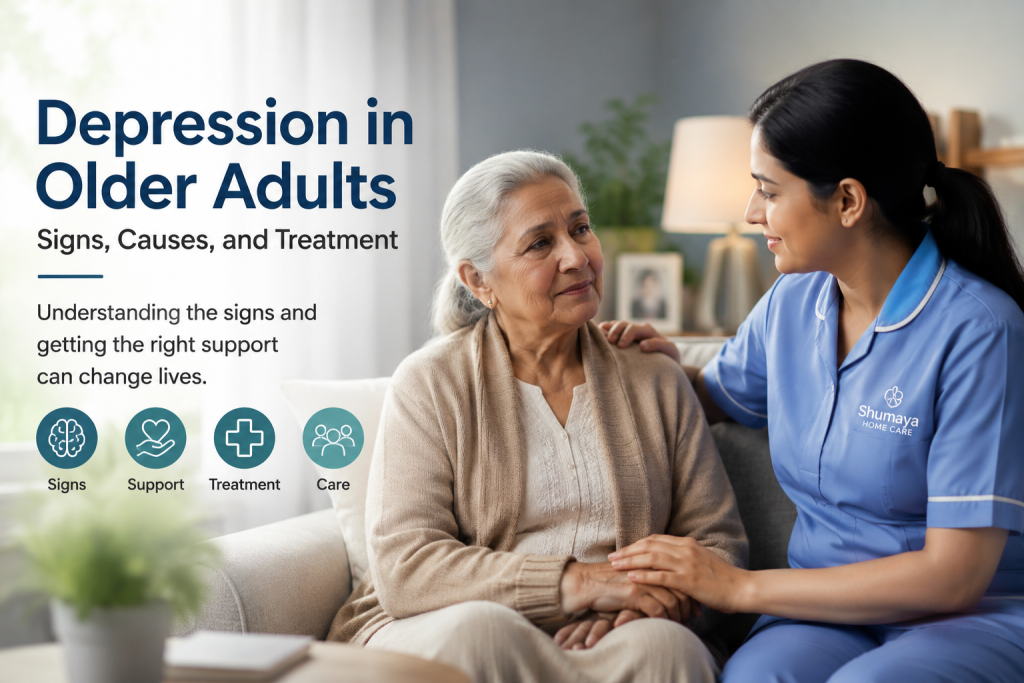
Depression in older adults can be easy to miss. An elderly parent may stop enjoying favorite activities, spend more time alone, sleep poorly, or complain of tiredness and body aches. Families may assume these changes are simply part of getting older. They are not. Depression is not a normal or inevitable part of aging. It is a medical condition that can affect mood, sleep, appetite, energy, thinking, relationships, and everyday activities. With proper assessment and treatment, many older adults can improve. Understanding the signs of depression can help families notice changes early and encourage their loved one to get the right support. What Is Depression in Older Adults? Depression is more than temporary sadness. It can cause a lasting change in how a person feels, thinks, behaves, and manages everyday life. In older adults, depression does not always appear as obvious sadness. Some people may mainly report: Low energy or constant tiredness Trouble sleeping or sleeping too much Changes in appetite Loss of interest in hobbies Difficulty concentrating Irritability Physical aches or discomfort Social withdrawal Feelings of hopelessness or worthlessness Because these symptoms can overlap with other health problems, a healthcare professional should assess persistent or unexplained changes. Signs of Depression in Older Adults The symptoms of depression can vary from person to person. However, families may notice several changes in mood, behavior, or daily routines. Loss of Interest An older adult who once enjoyed gardening, watching television, meeting friends, praying with others, or spending time with family may suddenly lose interest. They may say they “don’t feel like doing anything” or stop taking part in activities they normally enjoy. Changes in Sleep Depression can affect sleep in different ways. Some older adults have trouble falling asleep or wake up very early. Others may sleep much more than usual. A lasting change in sleep should not automatically be blamed on aging. Low Energy A person may feel tired even after resting. Simple activities such as bathing, getting dressed, preparing food, or walking around the home may begin to feel difficult. Changes in Appetite Depression may lead to eating less or, in some cases, eating more. Unplanned weight changes can also occur. If an older adult has a major change in appetite or weight, medical assessment is important because physical illnesses can cause similar symptoms. Social Withdrawal Some seniors with depression stop answering calls, avoid visitors, or spend most of the day alone. This may look like loneliness, but withdrawal can also be a sign that the person is struggling with depression. Difficulty Concentrating Depression can affect attention, concentration, and memory. However, these symptoms can also have many other causes in older adults. For that reason, new or worsening cognitive problems should be discussed with a healthcare professional rather than assumed to be depression. Feelings of Hopelessness or Worthlessness A person may repeatedly say that they are a burden, that nothing will improve, or that life has lost its meaning. These statements should always be taken seriously. Why Depression Can Be Missed in Seniors Depression in elderly people can sometimes go unnoticed because its symptoms overlap with normal life changes and physical health problems. For example, an older adult may complain about: Pain Poor sleep Low energy Appetite changes Difficulty concentrating General weakness These symptoms may have a physical cause, a psychological cause, or both. In addition, some older adults may feel uncomfortable talking about emotional problems. They may describe physical symptoms instead of saying they feel depressed. That is why families should look for changes from the person’s usual behavior. Factors That May Increase the Risk of Depression There is usually no single reason why an older adult develops depression. Several physical, emotional, and social factors may contribute. Bereavement and Loss Losing a spouse, close friend, sibling, or another loved one can be extremely difficult. Grief is a normal response to loss, but depression can also occur during or after bereavement. If symptoms become severe or begin to interfere with everyday life, professional assessment can help. Social Isolation Limited contact with family, friends, or the wider community can increase loneliness and may contribute to poor emotional health. Older adults with mobility problems may be particularly vulnerable because leaving home can become difficult. Chronic Health Conditions Long-term health problems can affect independence, sleep, mobility, and quality of life. Managing several conditions at once can also place emotional strain on an older adult. Loss of Independence Needing help with bathing, dressing, walking, eating, medication routines, or household tasks can be difficult for someone who was previously independent. Major Life Changes Retirement, moving house, financial stress, changes in family relationships, or moving into a different care setting can affect emotional well-being. Certain Medicines or Medical Conditions Some medical conditions and medicines can produce symptoms that look similar to depression. Therefore, new or persistent symptoms should be discussed with a healthcare professional. They can review the person’s health history, current medicines, and symptoms. Depression, Grief, and Loneliness: What’s the Difference? These experiences can overlap, but they are not the same. Grief is a natural response to losing someone or experiencing another major loss. It can last for a long time and may come in waves. Loneliness describes the feeling of lacking meaningful social connection. Someone can feel lonely without having depression. Depression is a medical condition that can affect mood, interest, sleep, appetite, energy, thinking, and daily functioning. An older adult can experience grief or loneliness, depression, or a combination of these experiences. A healthcare professional can help determine what is happening. How Is Depression Treated in Older Adults? Treatment depends on the person’s symptoms, health conditions, medicines, preferences, and overall needs. A healthcare professional may recommend one or more approaches. Talking Therapy Psychotherapy, sometimes called talking therapy, can help a person understand and manage difficult thoughts, feelings, and behaviors. Different forms of therapy may be appropriate for different people. Medication Antidepressant medicines may be recommended for some older adults. However, older people often take medicines for several health conditions. This makes it
Home Safety Checklist for Seniors

As people get older, everyday tasks at home can sometimes become harder. A loose rug, poor lighting, a wet bathroom floor, or clutter near the stairs may create a fall risk that was easy to overlook before. The good news is that many home safety problems can be found and fixed with a simple review. This home safety checklist for seniors can help families make the living space safer, more comfortable, and easier to move around. Why Home Safety Matters for Older Adults Older adults may have changes in balance, vision, strength, hearing, or movement. Some medicines can also cause dizziness or drowsiness. These changes can make common household hazards more risky. A safer home does not need to look like a hospital. Small changes in key areas can make daily activities easier and reduce avoidable accidents. Families caring for an elderly person at home should pay particular attention to fall prevention, bathroom safety, bedroom safety, stairs, lighting, and clear walking paths. Home Safety Checklist for Seniors Walk through the home with the senior and check each area carefully. Ask whether anything feels difficult, uncomfortable, or unsafe during normal daily activities. 1. Keep Floors and Walking Paths Clear Clutter is one of the easiest hazards to remove. Check that: Walkways are free from boxes, shoes, wires, and small furniture. Electrical cords are placed away from walking areas. Rugs are firmly secured or removed if they slide. Floor surfaces are dry and in good condition. Frequently used items are kept where they can be reached safely. Avoid asking an older adult to step over objects or squeeze through narrow spaces. 2. Improve Lighting Good lighting helps seniors see obstacles and changes in floor level. Make sure: Hallways and stairways are well lit. Light switches are easy to reach. The bedroom has a lamp or light within easy reach of the bed. The path from the bedroom to the bathroom is adequately lit at night. Burnt-out bulbs are replaced promptly. Night lights can be useful in bedrooms, hallways, and bathrooms. 3. Make the Bathroom Safer Bathrooms can become particularly risky because water makes surfaces slippery. Check for: Non-slip mats or suitable non-slip flooring. Grab bars near the toilet and shower where appropriate. A stable shower chair if standing for long periods is difficult. A handheld showerhead when useful. Easy-to-reach toiletries. Adequate lighting. A dry floor after bathing. Do not use a towel rack as a substitute for a properly installed grab bar. If a senior has difficulty getting in or out of the shower, discuss suitable equipment with a healthcare professional. 4. Check the Bedroom The bedroom should allow the senior to get in and out of bed without unnecessary obstacles. Look for: A bed at a comfortable height. A clear path between the bed and bathroom. A bedside lamp that is easy to reach. A phone or emergency contact method nearby. Loose rugs or cords that could cause trips. Frequently used clothing and personal items stored within safe reach. If the person needs help getting out of bed, families should consider whether additional support is needed rather than expecting them to manage alone. 5. Review Stairs and Steps Stairs require extra attention when an older adult has weakness, poor balance, or vision problems. Make sure: Handrails are secure. Stairs are well lit. Steps are clear of objects. Damaged flooring is repaired. The senior can clearly see the edge of each step. Frequently used rooms and items are arranged to reduce unnecessary trips up and down stairs. If stairs have become difficult or unsafe, speak with a healthcare professional about safer ways to manage movement around the home. 6. Make the Kitchen Easier to Use A senior who cooks independently should be able to reach everyday items without climbing or stretching. Check that: Frequently used dishes and food are stored within easy reach. Floors are kept dry. Appliance controls are easy to see and use. Knives and other sharp objects are stored safely. Pot handles are turned away from the edge of the stove. Smoke alarms are working properly. Avoid using unstable chairs or stools as makeshift step ladders. 7. Check Chairs and Furniture Furniture should provide stable support. Look for: Chairs with firm seats and sturdy legs. Armrests that make sitting down and standing up easier. Furniture that does not move easily when used for support. Enough space between furniture for safe walking. Beds and chairs at practical heights. An older adult should not have to pull on a lightweight table or unstable chair to stand up. Medication and Emergency Safety Home safety also includes knowing what to do when something goes wrong. Keep important information easy to find, such as: Current medication information. Doctor and healthcare provider contact details. Emergency contact numbers. Known allergies. Important medical conditions. Medicines should be stored safely and taken according to the instructions provided by the prescribing healthcare professional. For seniors who need regular assistance with medication routines, families may benefit from appropriate medication management support at home. Fall Prevention Tips for Seniors Falls can happen quickly, so prevention should be part of everyday care. Simple steps include: Encourage the senior to use prescribed walking aids correctly. Keep frequently used items within easy reach. Remove loose rugs and clutter. Use suitable footwear with good grip. Keep floors dry. Improve lighting in darker areas. Avoid rushing to answer the phone or door. Arrange professional assessment if balance or walking has changed. If an older adult has recently fallen, repeated falls should not simply be treated as part of getting older. Talk with a healthcare professional to identify possible causes and ways to reduce future risk. Safety for Seniors Who Need Extra Help Some older adults can manage most activities independently but need help with bathing, walking, toileting, dressing, or moving around the home. Others may need more regular elderly patient care because of weakness, dementia, stroke recovery, chronic illness, or limited mobility. In these situations, families should match the level of support to the person’s
Nutrition for Older Adults

Mealtimes can change a lot as parents and grandparents get older. A plate that used to disappear in minutes might now sit half-finished. Appetite drops, chewing gets harder, and some medicines change how food tastes. For many families, this is one of the first signs that a loved one needs more support at home. Good nutrition for older adults is not just about eating three meals a day. It’s about giving the body what it needs to stay strong, heal well, and meet daily energy needs. This guide covers what older adults need, common problems families run into, and simple ways to make eating easier and more enjoyable. Why Nutrition Matters More With Age As people age, changes in appetite, activity, muscle mass, digestion, and thirst can affect how much they eat and drink. At the same time, many older adults eat less than they used to. This mix — eating less while needing more from each meal — is why nutrition becomes so important later in life. A poor diet can lead to: Regular, nutritious meals can help older adults maintain strength, support recovery, and meet their daily nutritional needs. Key Nutrients Older Adults Need Not all nutrients matter equally at this stage of life. A few stand out. Protein. Muscles need protein to repair and stay strong. Eggs, daal, chicken, fish, and dairy are good everyday sources. Calcium and Vitamin D. These nutrients help maintain healthy bones. Getting enough calcium and vitamin D is especially important for older adults who are at risk of bone loss and fractures. Milk, dahi, and some sunlight exposure all help. Fiber. Digestion can slow with age for some people, so fiber from vegetables, fruits, and whole grains helps prevent constipation, which is a common complaint among older patients. Fluids. Thirst signals get weaker as people age, so many older adults drink less water without realizing it. This can lead to dehydration and other problems. Vitamin B12. Some older adults have difficulty getting or absorbing enough vitamin B12. Low B12 levels can cause anemia and neurological problems, including weakness, numbness, or changes in thinking. If these symptoms appear, a healthcare professional can decide whether testing is needed. Common Eating Problems in Older Adults Families often notice a pattern before they understand the cause. Here are a few reasons appetite and eating habits change: Spotting the reason behind reduced eating is the first step to fixing it. A trained caregiver can usually notice these patterns early, since they see the same person eat every day. Healthy Foods for Older Adults Simple, familiar foods are often the easiest ones to keep on the daily menu. Protein: eggs, daal, chana, beans, chicken, fish, dahi, milk Fruits and vegetables: bananas, oranges, apples, guava, seasonal vegetables, leafy greens Whole grains: whole-wheat roti, oats, brown rice Simple Meal Ideas for Seniors A basic day might look like this: Portions and food choices should be adjusted for appetite, activity level, swallowing ability, and any medical conditions such as diabetes or kidney disease. Practical Tips for Better Nutrition at Home Small changes at home can make a real difference: Signs an Older Adult May Not Be Getting Enough Nutrition It helps to know what poor nutrition can look like before it becomes serious. Families should pay attention to: These signs can have many causes, so persistent or unexplained changes should be discussed with a doctor or dietitian. Nutrition for Older Adults With Special Needs Some conditions call for extra care around food and drink: Because these needs vary so much from person to person, it’s best to follow a doctor’s or dietitian’s specific advice rather than a general rule. When Extra Support Helps Some older adults need help preparing meals, eating safely, staying hydrated, or following a regular daily routine. Families who can’t provide this kind of support throughout the day may consider professional [elderly care services at home]. A trained caregiver can help with mealtime routines, monitor food and fluid intake, and report concerns such as weight loss or dehydration. If someone has difficulty swallowing, food and drink textures should be changed according to advice from a qualified healthcare professional, not decided informally. For families juggling work and caregiving, [home nursing services in Lahore] can bring real peace of mind, and support for staying active — such as [physiotherapy at home] — often complements good nutrition well. When to Call a Doctor Reach out to a doctor if you notice: Frequently Asked Questions How much protein does an older adult need daily? Needs vary by person, but many older adults need more protein per meal than younger adults to maintain muscle. A doctor or nutritionist can suggest an amount based on health history. Is it normal for appetite to drop with age? Some drop is common, but a sudden or large change in appetite is not something to ignore. It’s worth discussing with a doctor. What are the best foods for older adults? Foods rich in protein, calcium, fiber, and vitamins work well — eggs, daal, dahi, seasonal fruits and vegetables, and whole grains are all practical everyday choices. What should an older adult eat if they have a poor appetite? Smaller, more frequent meals with nutrient-dense foods often work better than trying to finish large plates. Adding familiar flavors and eating with company can also help. What are the signs of poor nutrition in older adults? Unexplained weight loss, loose-fitting clothes, ongoing weakness, poor wound healing, and low energy are common signs worth discussing with a doctor. How much water should an older adult drink? This varies by person and health condition, so it’s best to follow a doctor’s guidance rather than a fixed number — but keeping fluids within easy reach throughout the day is a good general habit, unless fluid intake has been restricted for medical reasons. Final Thoughts Nutrition plays a big part in how well older adults age, heal, and stay independent. Small daily choices — softer food, regular fluids, and shared mealtimes —
Fall Prevention
Preventing Falls in Elderly People
Common Health Problems in Seniors

PATIENT CARE GUIDE Common Health Problems in Seniors Watching a parent slow down, forget small things, or wince while standing up from a chair is hard. Many families in Lahore go through this every day. It’s a normal part of aging, but that doesn’t make it less worrying. Home Nursing Elderly Care Lahore Related Guides Diabetic Patient Care at Home Daily management guide Bedridden Patient Care Guide Complete family guide Palliative Care at Home Comfort & quality of life Understanding the common health problems in seniors helps families notice issues early and respond the right way. It also makes it easier to plan proper elderly care at home instead of reacting only after something goes wrong. This article covers the health issues that show up most often in older adults, the warning signs to watch for, and what families can do to keep their loved ones safe and comfortable. Why Seniors Face More Health Problems As the body ages, muscles weaken, joints wear down, and organs work a little less efficiently than before. The immune system also slows down, so infections and illnesses take longer to heal. None of this means decline is unavoidable. Good nutrition, regular movement, and proper monitoring can slow many of these changes. But families still need to know what to watch for. The Nine Health Issues Families Should Watch For 1 Arthritis and Joint Pain Joint pain is one of the most common complaints among older adults. Arthritis makes knees, hips, and hands stiff, swollen, and painful, especially in the morning or after sitting for a while. What helps: Gentle daily movement, like short walks Warm compresses on painful joints Doctor-guided pain management Supportive footwear to reduce joint strain 2 Heart Disease and High Blood Pressure Heart conditions and high blood pressure are common in seniors, often without obvious symptoms for years. Warning signs include shortness of breath, chest tightness, swelling in the legs, or unusual tiredness. Regular blood pressure checks at home and a low-sodium diet go a long way in managing this. Families managing a parent’s heart condition often benefit from structured patient care services in Lahore that include daily monitoring. 3 Diabetes Type 2 diabetes is widespread among older adults. Left unmanaged, it can affect eyesight, kidney function, and wound healing. Signs to watch for: Frequent thirst or urination Slow-healing cuts Sudden weight changes Tingling in hands or feet Diabetes care at home usually involves diet changes, medicine timing, and regular sugar checks. If daily management feels overwhelming for the family, our guide to diabetic patient care at home and trained home nursing services can take over this routine safely. 4 Vision and Hearing Loss Many seniors quietly lose vision or hearing without saying much about it. They might avoid conversations, misjudge stairs, or stop reading as much as before. This isn’t just inconvenient. Poor vision and hearing increase the risk of falls and isolation. A yearly eye and ear checkup should be part of every senior’s routine care. 5 Memory Loss and Dementia Occasional forgetfulness is normal with age. But repeated confusion, getting lost in familiar places, or forgetting close family members are signs of something more serious, such as dementia. Early signs include: Repeating the same questions Trouble following conversations Misplacing items in unusual places Sudden mood or personality changes Families noticing these patterns should speak with a doctor early. Dementia and memory-related conditions often need specialized care approaches that go beyond regular caregiving. 6 Osteoporosis and Bone Weakness Bones naturally lose density with age, making fractures more likely from even small falls. Osteoporosis is especially common in women after menopause. Calcium-rich foods, vitamin D, and safe home flooring (no loose rugs, good lighting, grab bars in bathrooms) reduce fracture risk significantly. 7 Mobility Problems and Fall Risk Weak muscles, poor balance, and joint pain all combine to make falls one of the biggest dangers for seniors living at home. A fall that seems minor can lead to a hip fracture or long hospital stay. Simple safety steps: Clear walkways of clutter and cords Install grab bars near the bed and bathroom Encourage use of a cane or walker if recommended Keep frequently used items within easy reach 8 Incontinence Bladder control issues are common but rarely talked about openly, which often delays proper care. It can result from weakened muscles, infections, or other underlying conditions. Addressing it early with a doctor, rather than assuming it’s just “part of getting old,” can improve comfort and dignity significantly. 9 Depression and Loneliness Physical health isn’t the only concern. Many seniors experience depression, often linked to reduced independence, loss of a spouse, or fewer social connections. Signs to watch for: Withdrawing from family and friends Loss of interest in daily activities Changes in sleep or appetite Constant tiredness with no physical cause Regular company, conversation, and involvement in family life matter just as much as medicine. This is one reason many families choose home nursing services that include companionship, not just medical tasks. When to Call a Doctor Not every symptom needs an emergency visit, but some should never be ignored: Sudden confusion or slurred speech Chest pain or difficulty breathing A fall followed by pain, swelling, or inability to stand High fever that doesn’t go down Sudden vision loss When in doubt, it’s always safer to call a doctor than to wait and see. How Home Nursing Support Can Help Managing several health conditions at once can be exhausting for family caregivers, especially while juggling work and other responsibilities. Trained home nursing services in Lahore can help by: Monitoring vital signs and medicine schedules Assisting with daily mobility and hygiene Watching for early warning signs Coordinating with doctors when something changes Giving family caregivers a much-needed break This kind of support doesn’t replace family care. It works alongside it, so seniors get consistent attention even on the days families can’t be there in person. Frequently Asked Questions Are these health problems a normal part of aging? Some changes, like slower